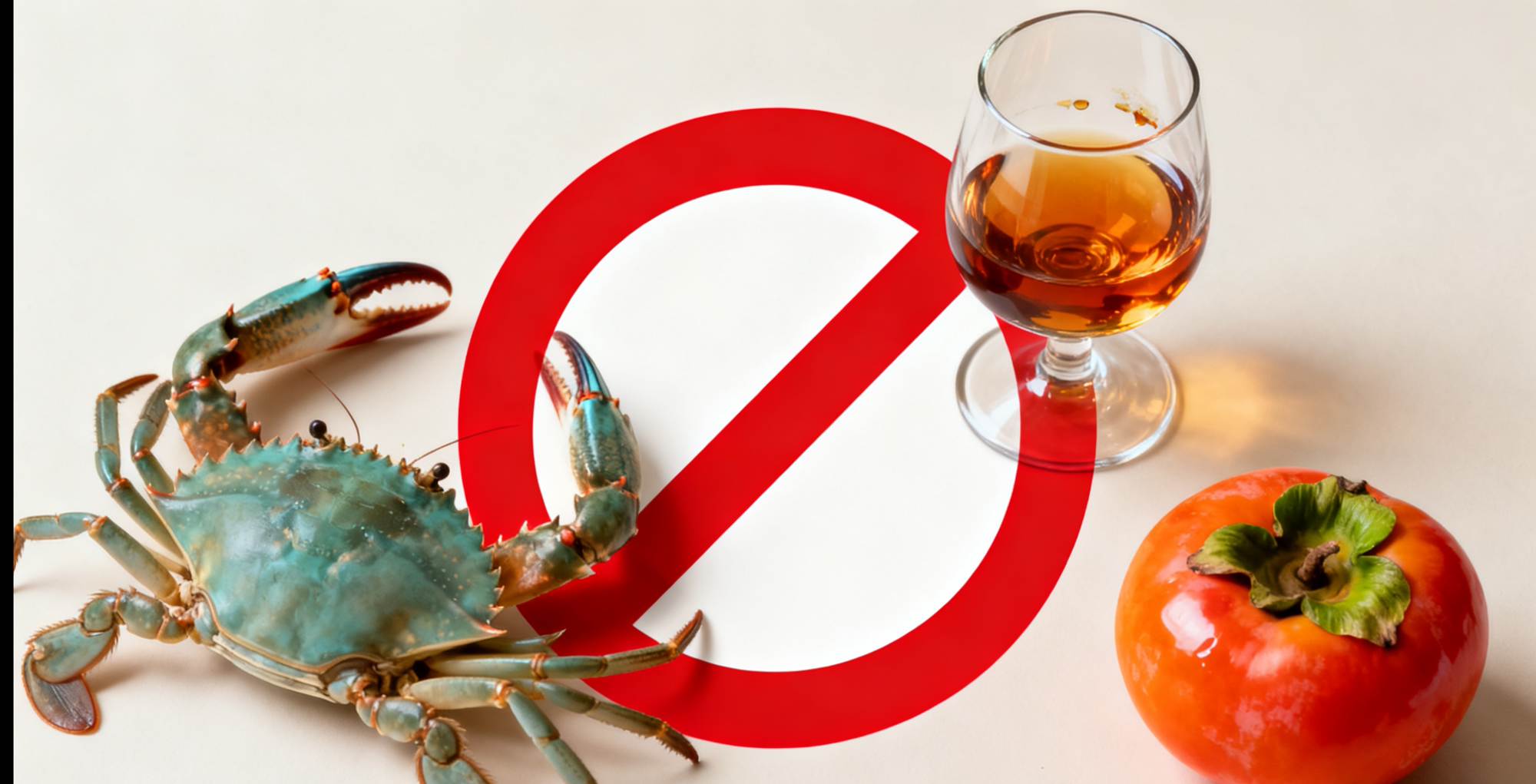
"Gaining weight in autumn" originates from the agricultural era and is a long-standing Chinese folk custom for autumn health preservation. As the weather cools in autumn, people's appetites return, and at this time, they "replenish their weight" by eating high-protein, high-fat foods such as meat to store energy for the winter.
In reality, the core value of "gaining weight in autumn" lies in autumn dietary regulation—strengthening immunity through proper nutritional supplementation. However, blindly "replenishing weight with meat" may lead to excess energy and fat accumulation, increasing health risks.
content
I. Supplementation is necessary, but not excessive.
II. Should teenagers "gain weight for winter"?
2.1. Situations where appropriate supplementation is needed.
2.2. Situations where deliberate supplementation is unnecessary.
2.3. Several principles to keep in mind when teenagers "gain weight for winter":
2.3.1. Focus on "balanced nutrition".
2.3.2. Combine with exercise needs.
2.3.3. Reject "last-minute weight gain".
III. Practical suggestions for healthy "gaining weight for winter":
3.1. Ingredient selection.
3.2. Cooking methods.
3.3. Eating habits.
3.4. Combine with exercise.
IV. Avoid 3 common misconceptions
I. Supplementation is necessary, but not excessive.
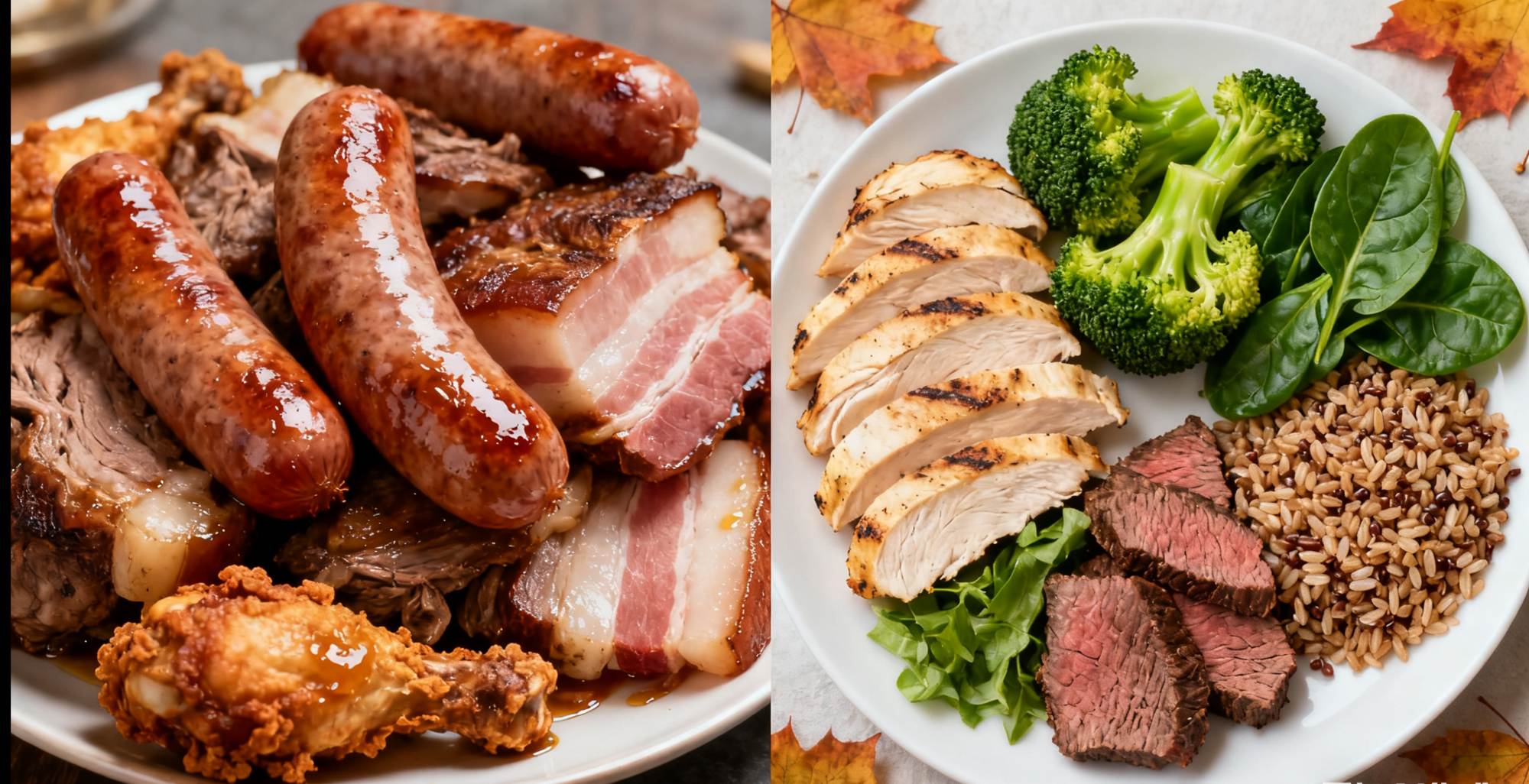
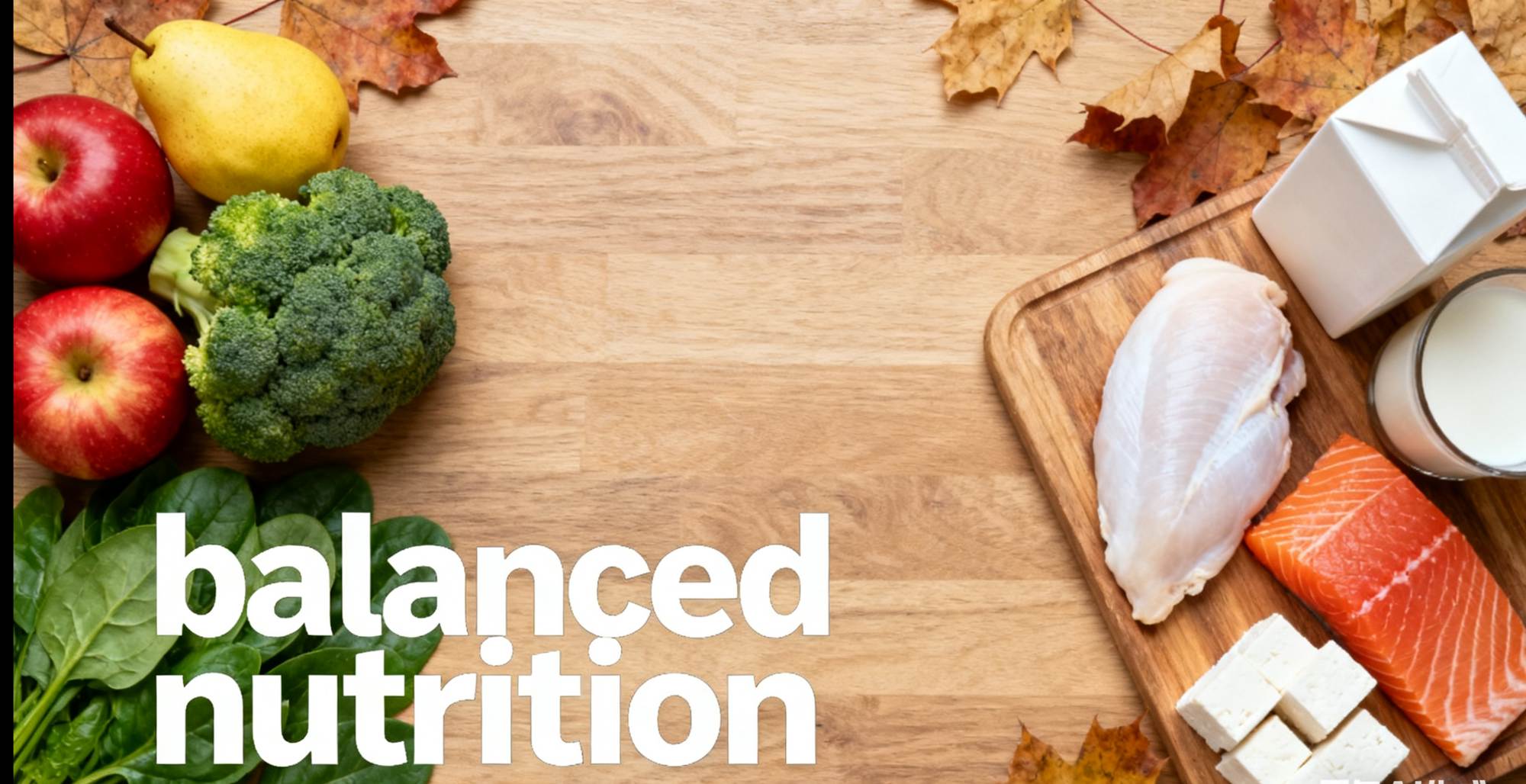
Autumn brings shorter days and lower temperatures, causing a slight increase in the body's basal metabolic rate and increased energy demand. At the same time, autumn is the harvest season, with abundant fresh fruits and vegetables, providing conditions for balanced nutrition. In traditional Chinese medicine, autumn corresponds to the "lungs," and it is advisable to "nourish yin and moisten dryness." Appropriate supplementation with protein and fat helps maintain the health of the respiratory mucosa, but remember to avoid a diet solely high in fat. Emphasis should be placed on a balance of protein, fat, and carbohydrates. Excessive intake of fatty meats and fried foods can easily lead to obesity, hyperlipidemia, and other health problems. Second, prioritize high-quality protein. Foods such as fish, poultry (skinless chicken and duck), soy products, and dairy products can replenish energy while reducing fat accumulation.
II. Should Teenagers "Gain Weight in Autumn"?
Teenagers are in a critical period of growth and development, and their nutritional needs are higher than adults.
2.1. Situations requiring appropriate supplementation
Teenagers who have experienced significant weight loss and malnutrition due to poor appetite in the summer; teenagers with weak constitutions, prone to colds, or suffering from anemia or calcium deficiency; teenagers with high levels of physical activity who need to replenish energy through diet.
2. 2Situations where deliberate supplementation is unnecessary
Teenagers of normal weight or overweight/obese; teenagers with a balanced daily diet and sufficient intake of nutrients such as protein, calcium, and iron. Teenagers who are sedentary and lack physical activity may increase their risk of obesity by blindly "gaining weight in autumn."
2.3. Several principles to keep in mind when teenagers "gain weight in autumn."
2.3.1. Focus on "balanced nutrition"
Ensure sufficient daily intake of vegetables, fruits, and whole grains, combined with high-quality protein (such as eggs, milk, and lean meat), and avoid excessive consumption of high-sugar and high-fat snacks.
2.3.2 Consider exercise needs
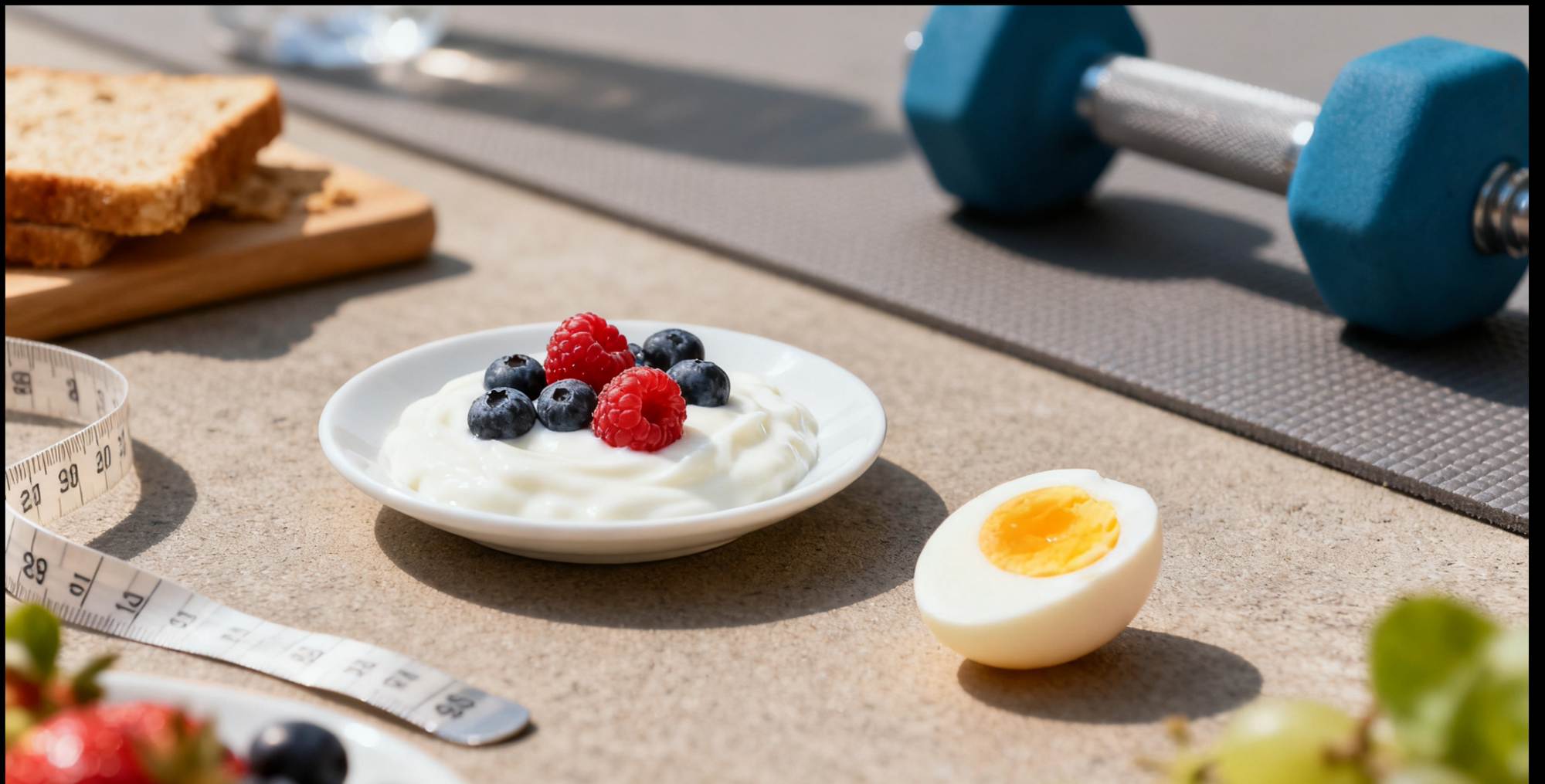
After exercise, appropriately supplement with carbohydrates and protein (such as yogurt and eggs) to promote muscle repair and growth.
2.3.3. Avoid "rushing to gain weight"
Nutritional supplementation should be gradual, avoiding large intake of high-energy foods in a short period to prevent overburdening the digestive system.
III. Practical suggestions for healthy "autumn weight gain"
3.1. Food selection
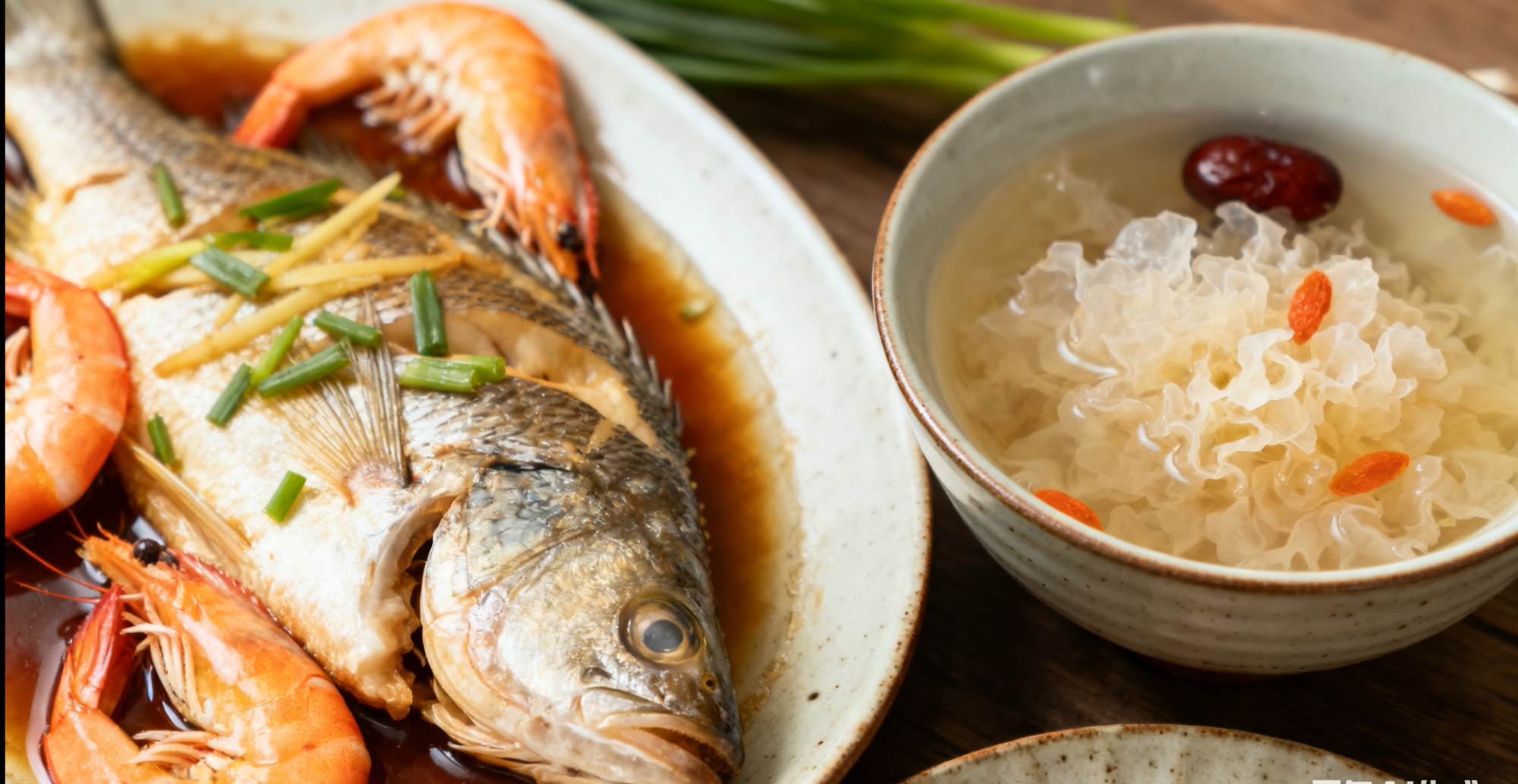
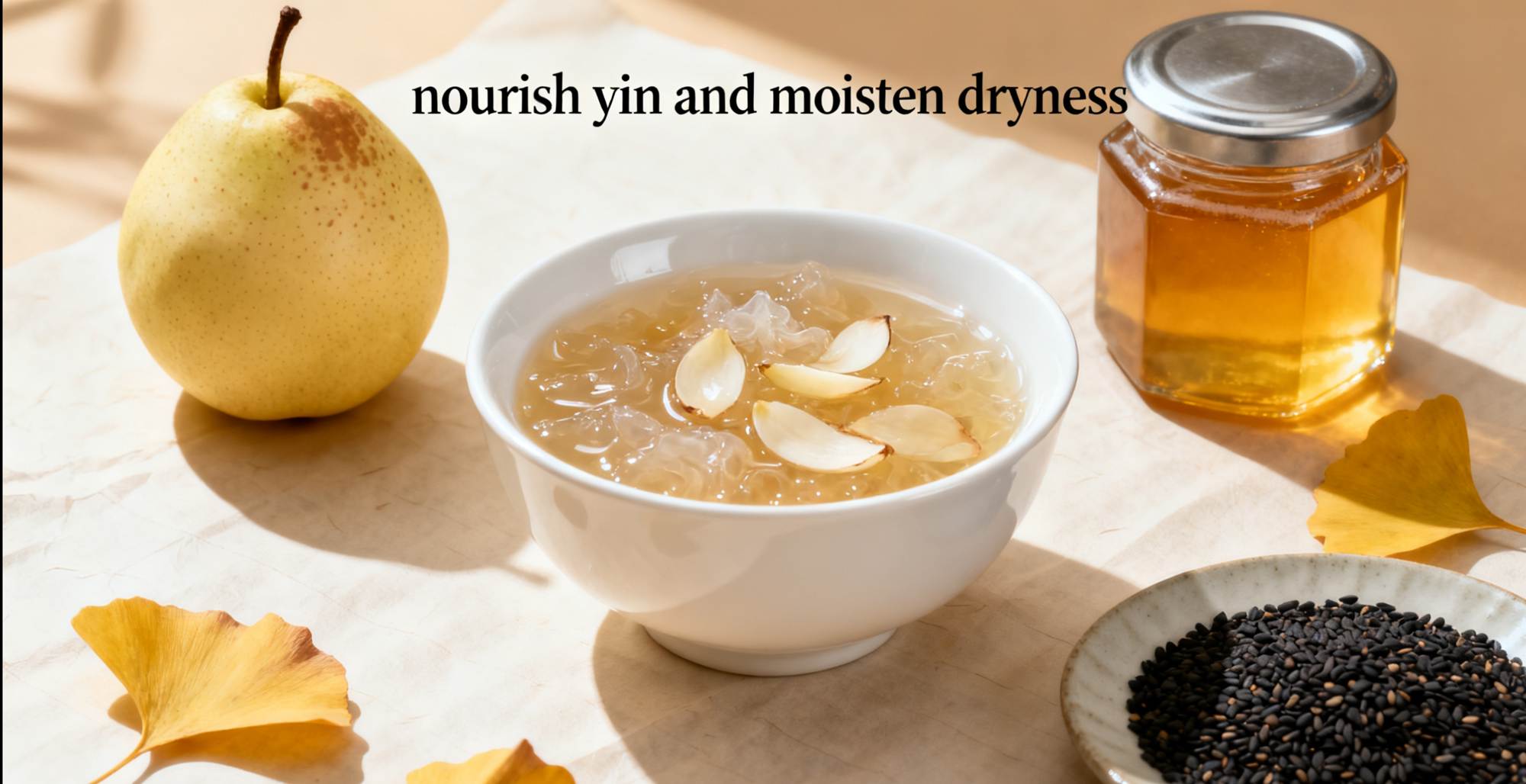
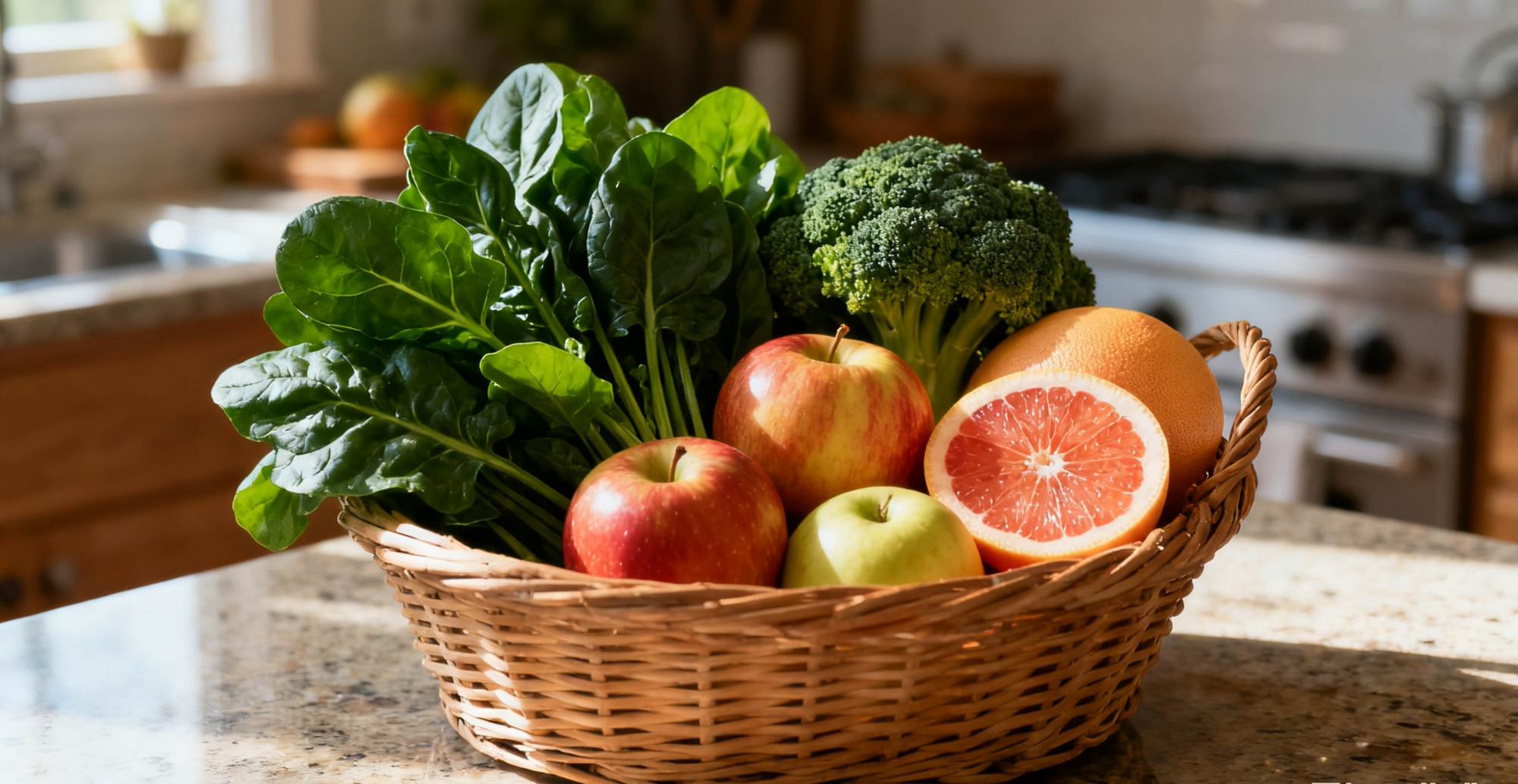
Warm rather than drying. Prioritize lean meat, fish, shrimp, and poultry, avoiding fatty meat and animal organs; increase "moisturizing" foods (such as pears, white fungus, lilies, honey, and sesame seeds) to prevent autumn dryness; eat more dark green vegetables (such as spinach and broccoli) and autumn fruits (such as apples and grapefruits) to supplement vitamins and dietary fiber.
3.2. Cooking methods
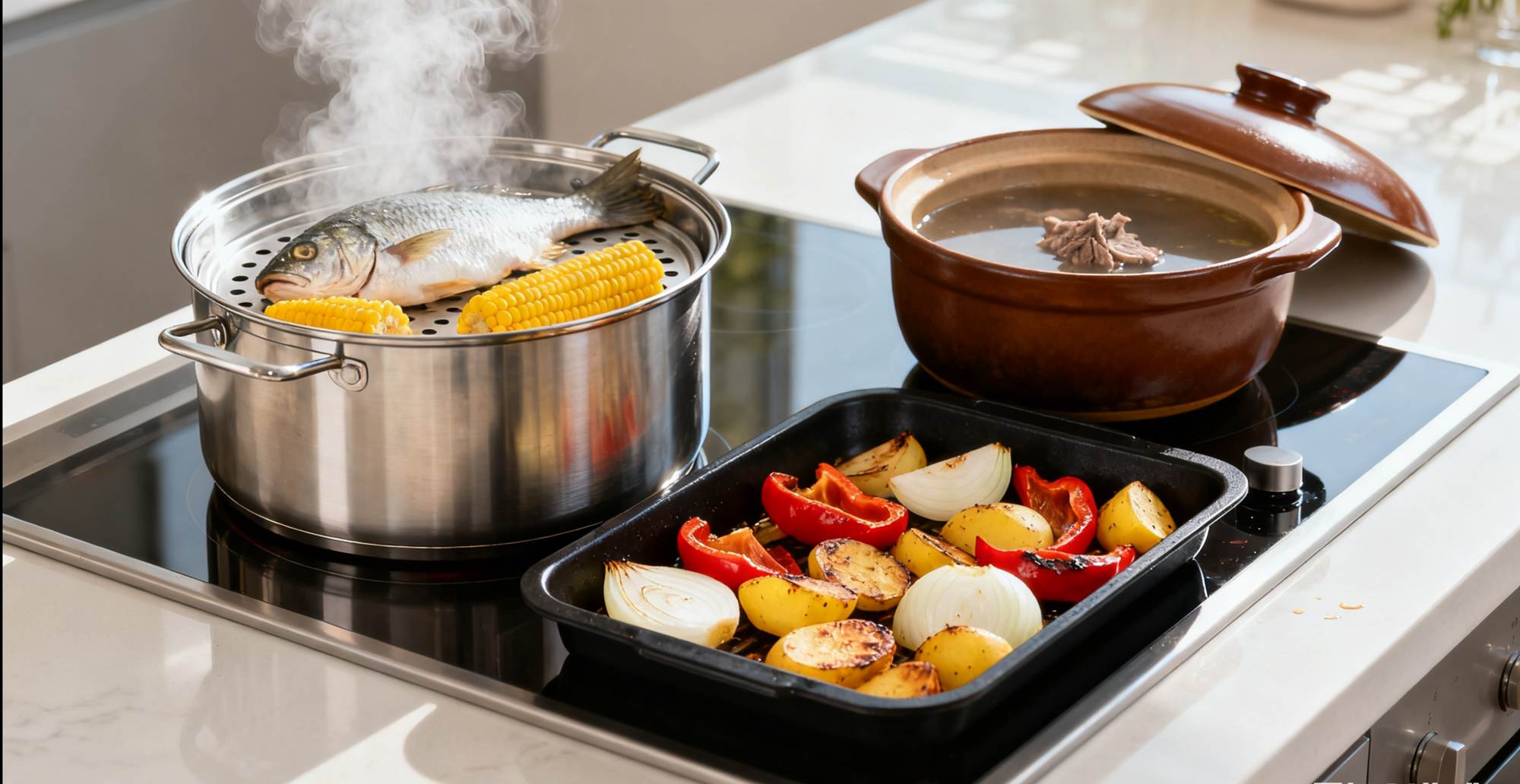
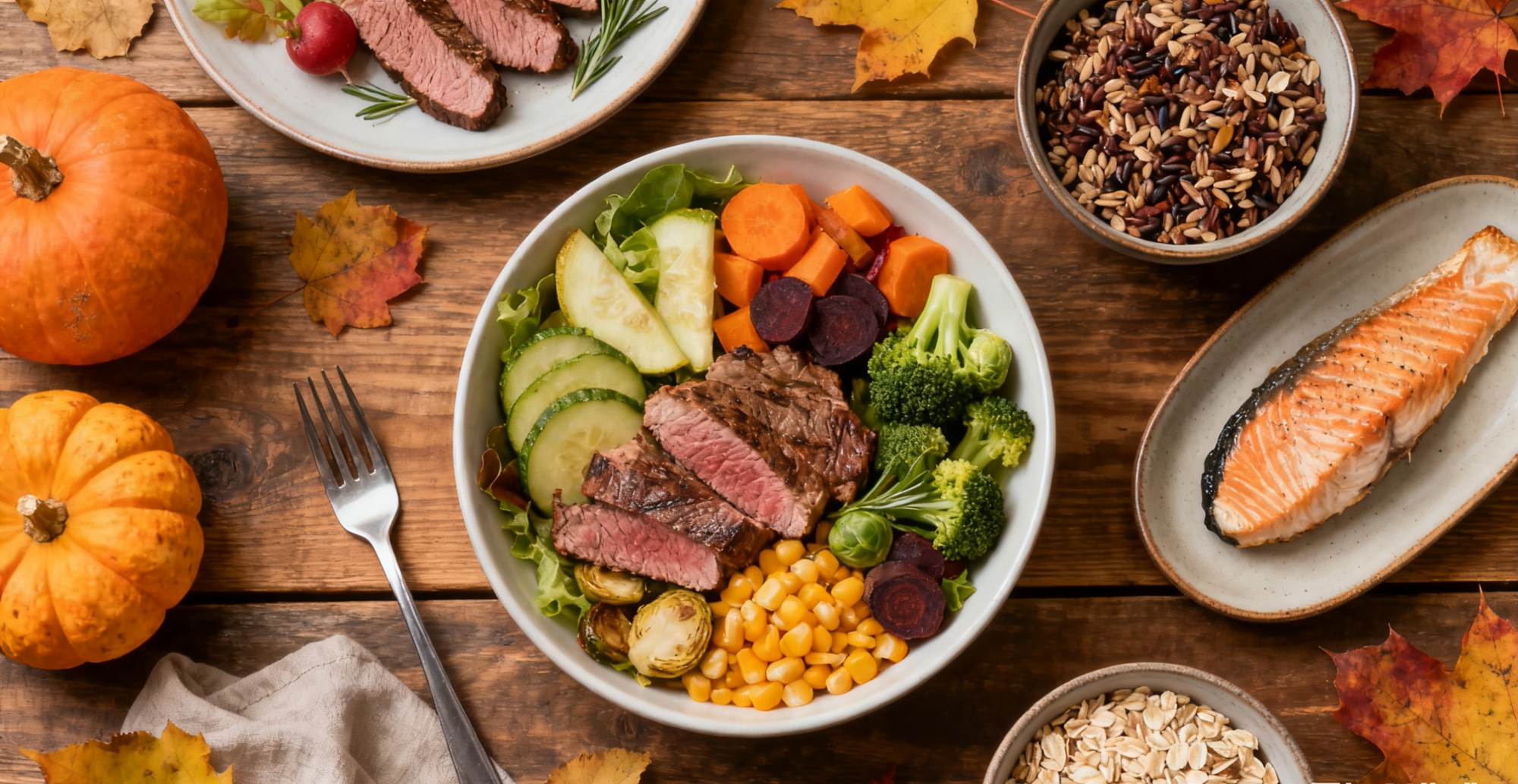
Less oil and less salt. Use steaming, boiling, stewing, and baking methods instead of frying and braising; control the amount of seasoning used and avoid processed foods high in salt, sugar, and additives.
3.3. Eating Habits
Chew slowly and eat until you are 70% full. Appetite increases in autumn, making it easy to overeat. It is recommended to eat until you are 70% full at each meal to avoid indigestion. Eat regularly and in moderation. Dinner should not be too late or too heavy to avoid affecting sleep and digestion.
3.4. Exercise
Balance food intake and physical activity. Autumn is suitable for gentle aerobic exercise, such as brisk walking, jogging, cycling, and yoga, to help burn excess energy. Exercise at least 3 times a week for at least 30 minutes each time.
IV.Avoid 3 common misconceptions
Misconception 1: Gaining weight in autumn = eating more meat – Ignoring the intake of vegetables and fruits can easily lead to constipation and internal heat.
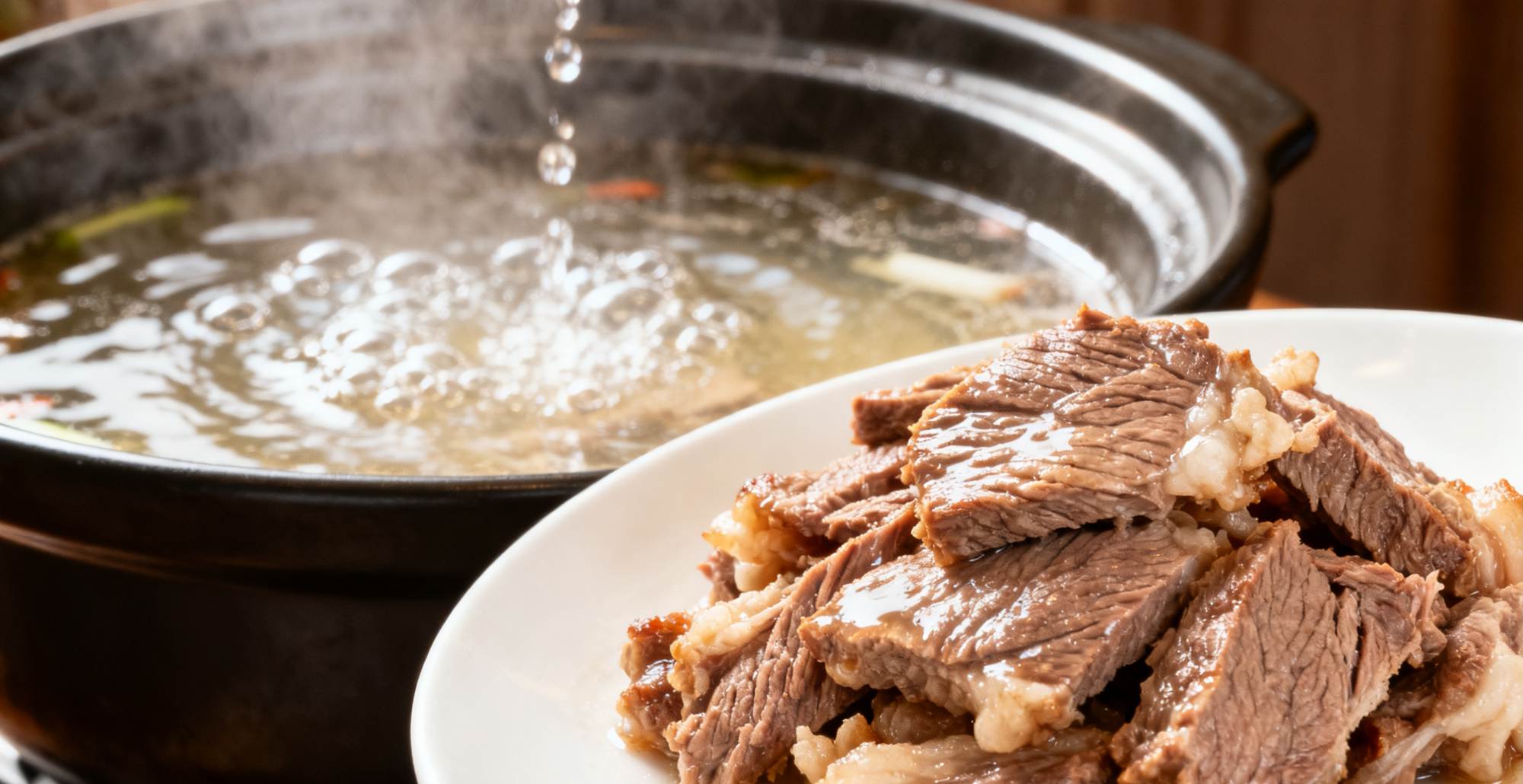
Misconception 2: Drinking meat broth is more nutritious than eating meat – The protein content of meat broth is only one-tenth that of meat; most of the nutrients remain in the meat.
Myth 3: "The more fat you gain in autumn, the less afraid you'll be of the cold in winter"—Cold resistance is not directly related to fat thickness, but rather to muscle mass and metabolic rate. Excessive fat increases health risks.
"Gaining weight in autumn" is not simply about "eating more and getting fat," but rather about adjusting your diet and lifestyle to lay a foundation for good health in autumn and winter. Whether you're a teenager or an adult, you should "gain weight as needed" based on your individual circumstances, focusing on "balanced nutrition, moderate exercise, and regular sleep" to ensure your body reaches its optimal state in autumn.