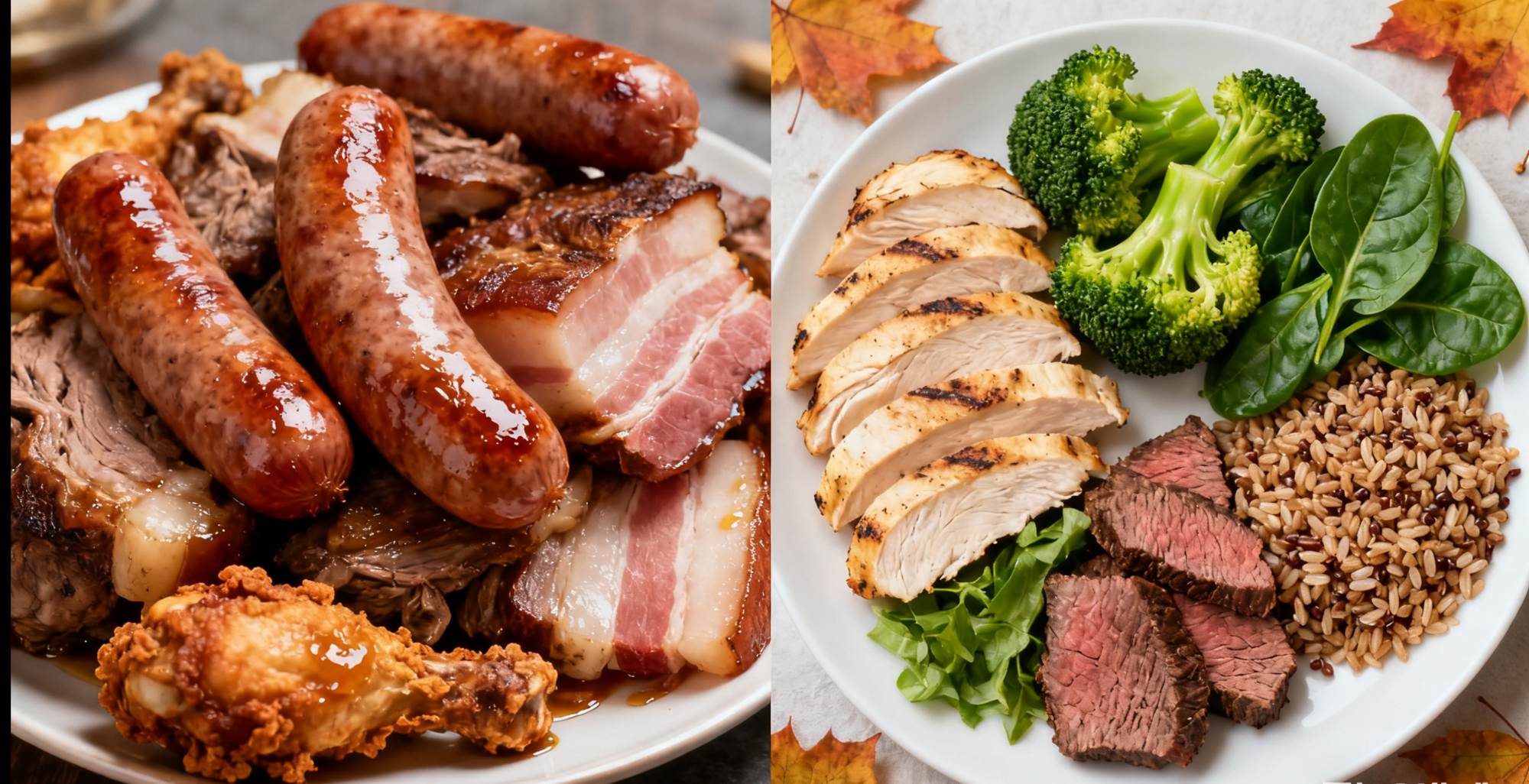
Autumn crabs are at their fattest, but these three types of liver disease patients should avoid them!
Autumn crabs are in season, but liver disease patients need to be cautious about this delicacy. Crabs are high in protein and cholesterol, which may harm the health of those with abnormal liver function. This article will provide scientific dietary guidance for liver disease patients, covering contraindications, consumption principles, and risk warnings.
contents
I. Three Types of Liver Disease Patients Require Strict Dietary Restrictions
1.1 Patients in the acute phase of liver disease
1.2 Patients in the decompensated stage of cirrhosis
1.3 Patients with severe complications
II. Scientific Selection
2.1 Choose fresh, live crabs
2.2 Choose steamed crabs
2.3 Focus on consuming crab meat
III. Limited Consumption
3.1 Control the amount consumed
3.2 Control the amount of seasoning
IV. Avoid Incompatible Combinations
4.1 Do not consume with liver-damaging foods
4.2 Do not consume on an empty stomach
4.3 Do not drink crab soup
V. Timely Recognition of Abnormal Liver Reactions
5.1 Digestive and systemic symptoms
5.2 Abnormal liver function information
I. Three Types of Liver Disease Patients Who Need Strict Dietary Restrictions
1.1 Patients in the Acute Phase of Liver Disease
Patients in the acute phase of liver disease, such as acute hepatitis or liver failure, experience a significant decline in liver metabolic function. The protein in crabs needs to be metabolized by the liver; excessive intake may lead to elevated blood ammonia levels in these patients, inducing hepatic encephalopathy, manifested as confusion, abnormal behavior, etc., and worsening the disease progression.
1.2 Patients in the Decompensated Phase of Liver Cirrhosis
These patients often have complications such as ascites and esophageal varices. Crabs have hard shells and sharp claws; if not chewed thoroughly, they may scratch blood vessels, causing massive gastrointestinal bleeding. At the same time, a high-protein diet can easily induce hepatic encephalopathy.
1.3 Patients with Severe Complications
Patients in the acute phase of hepatobiliary and pancreatic diseases, such as liver disease complicated by cholecystitis or pancreatitis, may experience increased inflammation due to the fat in crabs stimulating bile and pancreatic juice secretion. Liver disease patients allergic to seafood may experience allergic reactions such as rashes and difficulty breathing after consuming crabs, further weakening liver function.
Patients in the stable phase of chronic hepatitis (e.g., well-controlled hepatitis B/C virus, normal liver function) or the compensated phase of cirrhosis (no ascites, no gastroesophageal varices, and essentially normal liver function) can try small amounts of crabs, but must strictly adhere to the following principles to minimize risks.
II. Scientific Selection
2.1 Choose Fresh, Live Crabs
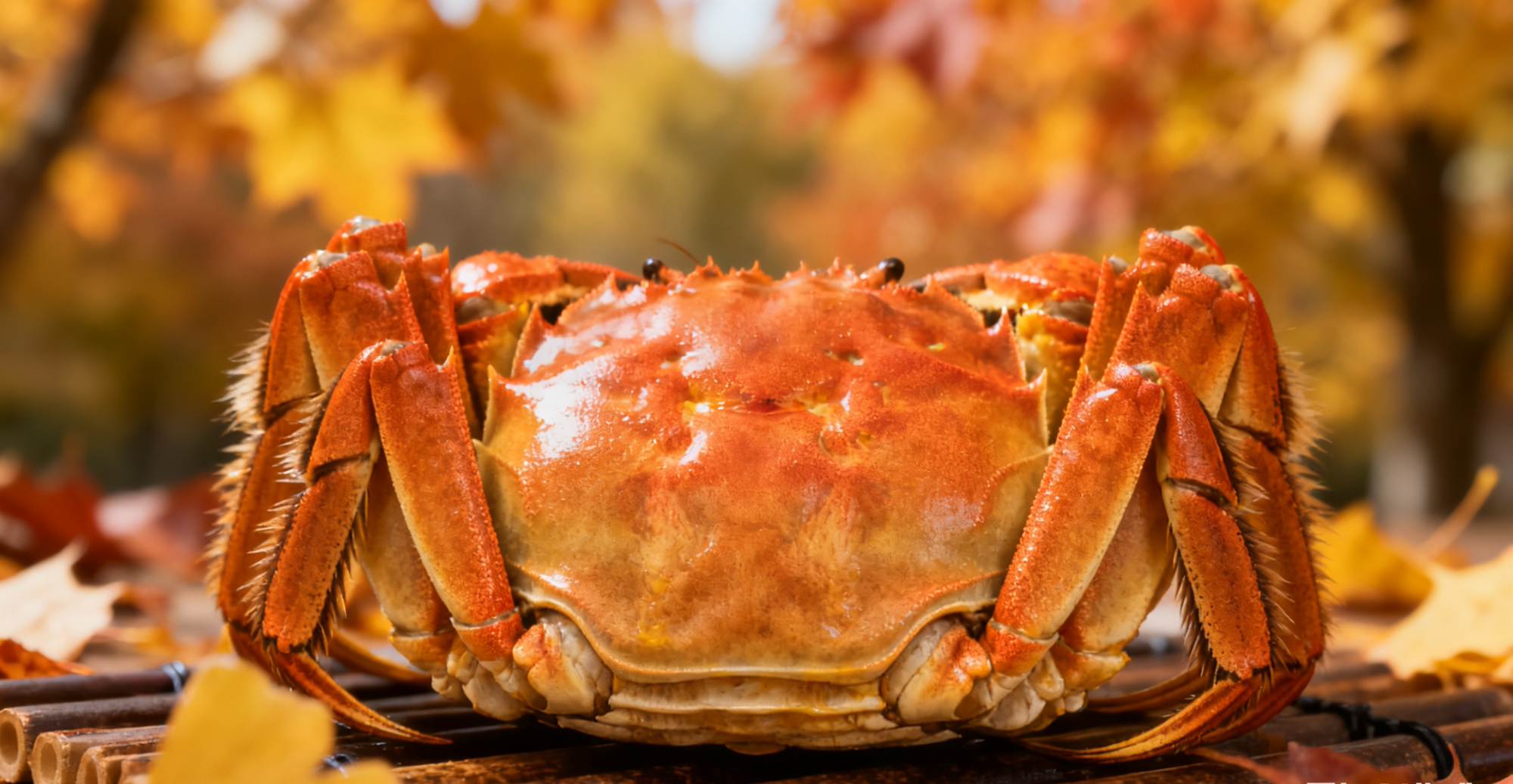
Dead crabs are prone to harboring pathogenic bacteria such as Vibrio parahaemolyticus. Liver disease patients have weakened immune systems, and consuming them may trigger intestinal infections, indirectly exacerbating liver inflammation. It is recommended to choose live crabs and steam them immediately to ensure freshness.
2.2 Choose Steamed Crab
Patients with liver disease should avoid drunken crab and pickled crab, as the alcohol added during cooking can directly damage liver cells and worsen liver damage. Spicy stir-fried crab and deep-fried crab should also be avoided, as the high oil and salt content increases the metabolic burden on the liver and irritates the gastrointestinal mucosa. For patients with liver disease, steaming crab is the best cooking method, preserving nutrients to the greatest extent and reducing additional irritation.
2.3 Focus on Crab Meat
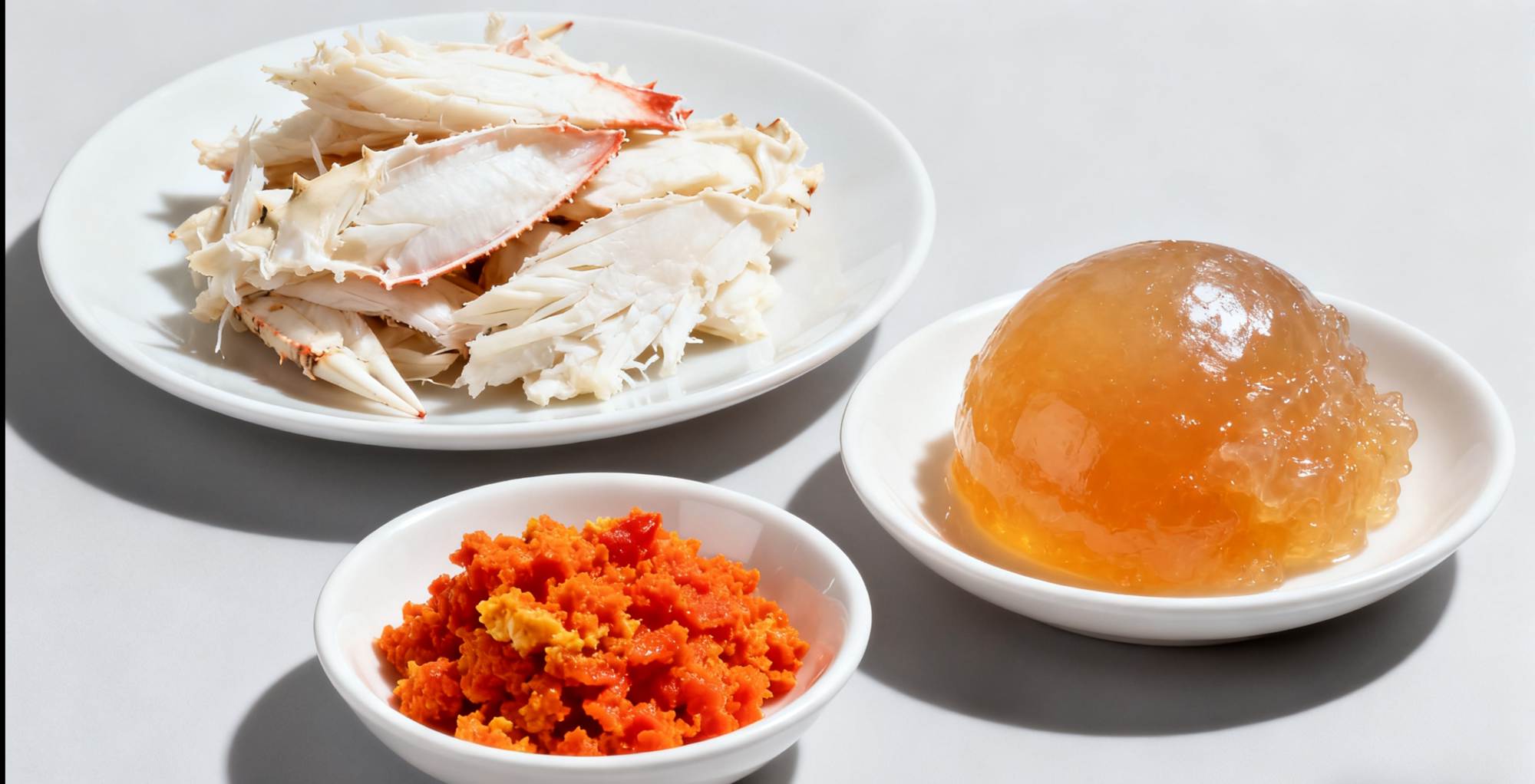
Crab roe and crab fat are extremely high in cholesterol, which can easily aggravate abnormal blood lipids and increase the burden on the liver. It is recommended that patients with liver disease only eat the tender meat of the crab's abdomen and claws, avoiding the intake of crab roe and crab fat.
III. Limit Consumption
3.1 Control the Amount Consumed
Patients with liver disease should consume no more than 100-150 grams of crab at a time (about the size of the palm of their hand), and no more than once a week. It is important to note that crab protein should be included in the daily total protein intake (the recommended daily protein intake for patients with liver disease is 0.8-1.0 g/kg body weight). Avoid consuming crab with high-protein foods such as eggs and milk to prevent excessive protein intake from inducing hepatic encephalopathy.
3.2 Control Seasoning
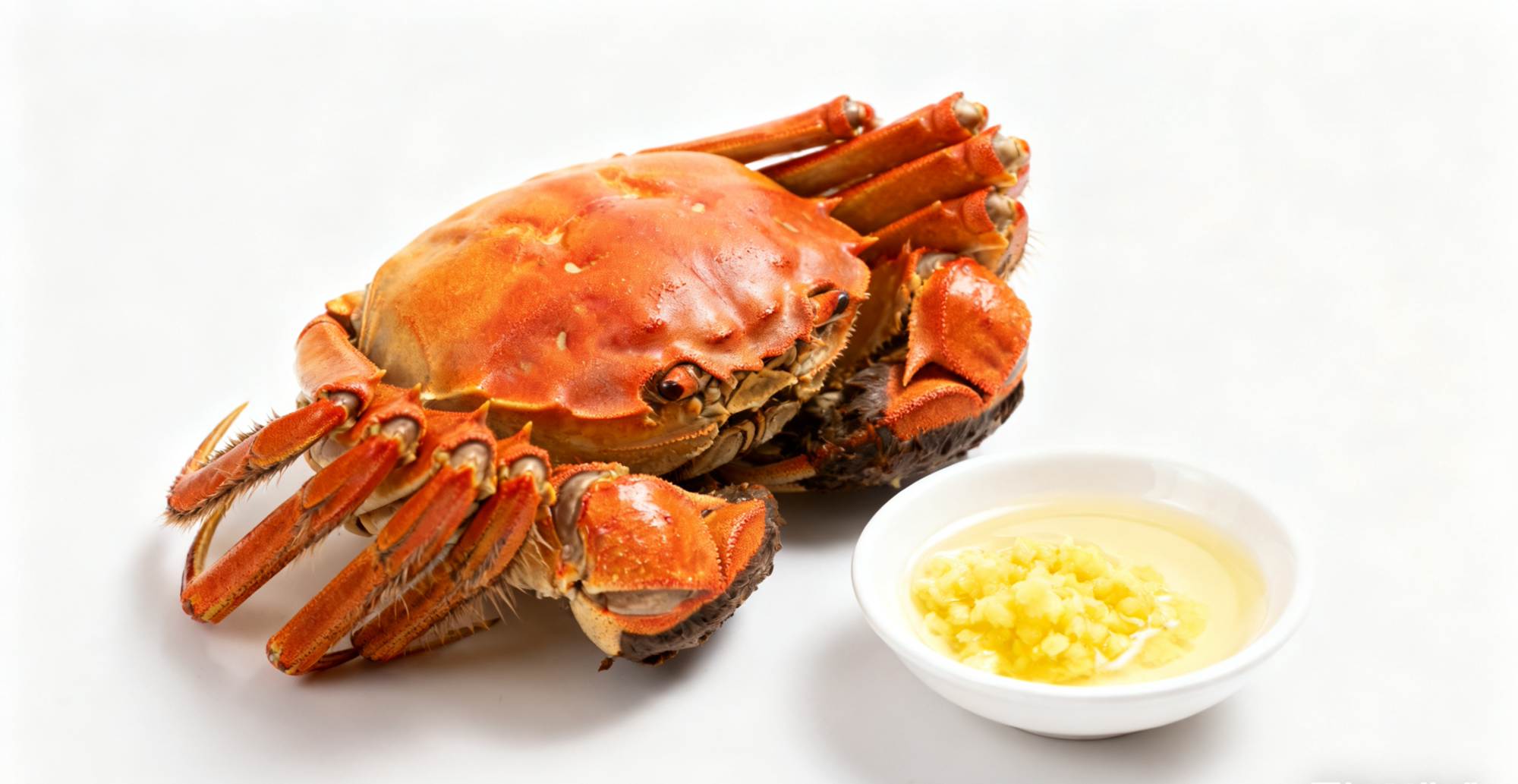
Do not add extra seasonings when steaming. When eating, you can pair it with a small amount of minced ginger and vinegar (to dispel cold and aid digestion). Avoid consuming high-salt seasonings such as soy sauce and oyster sauce to reduce the risk of water and sodium retention (especially for patients with cirrhosis).
IV. Avoid Incompatible Combinations
4.1 Do not consume with liver-damaging foods
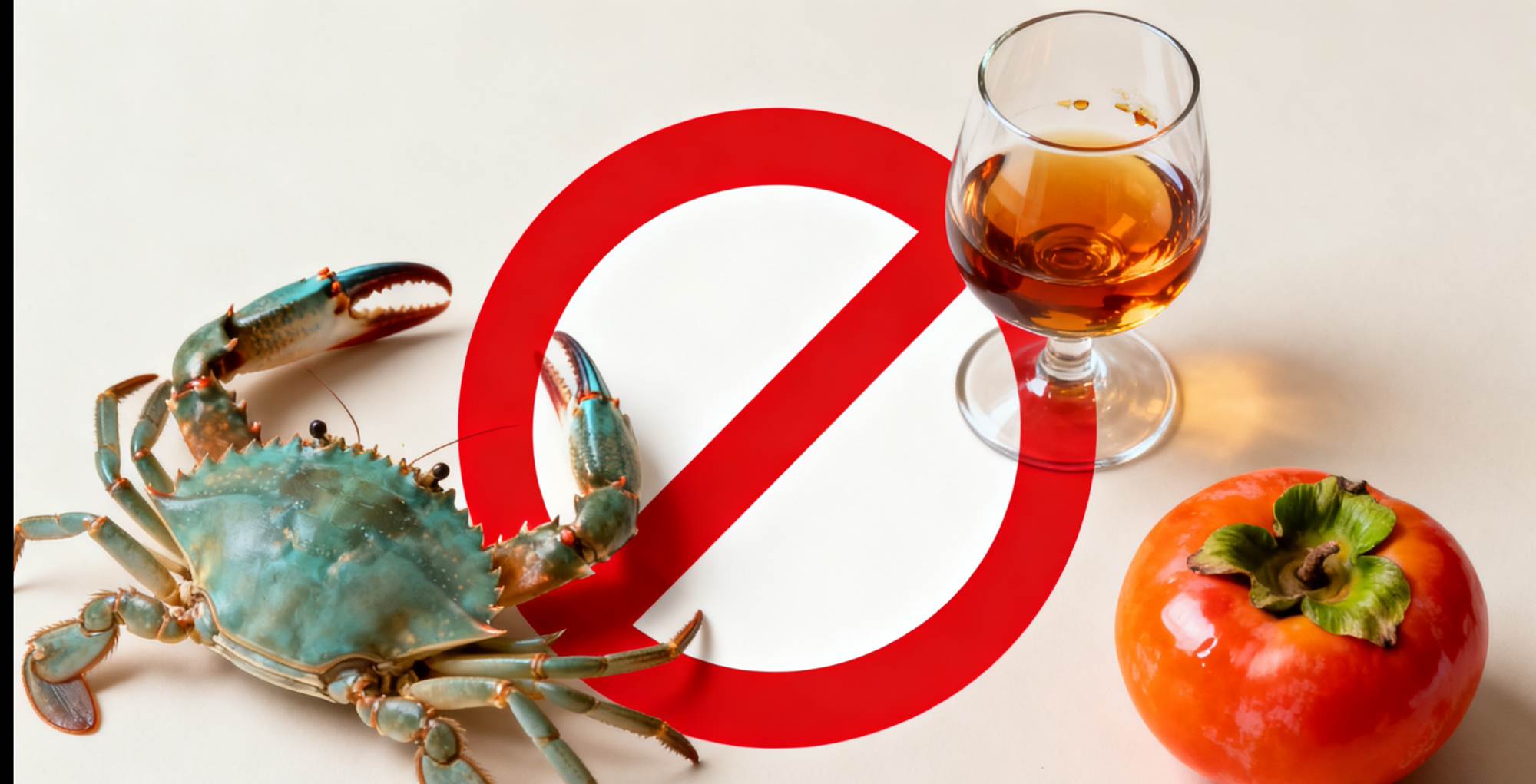
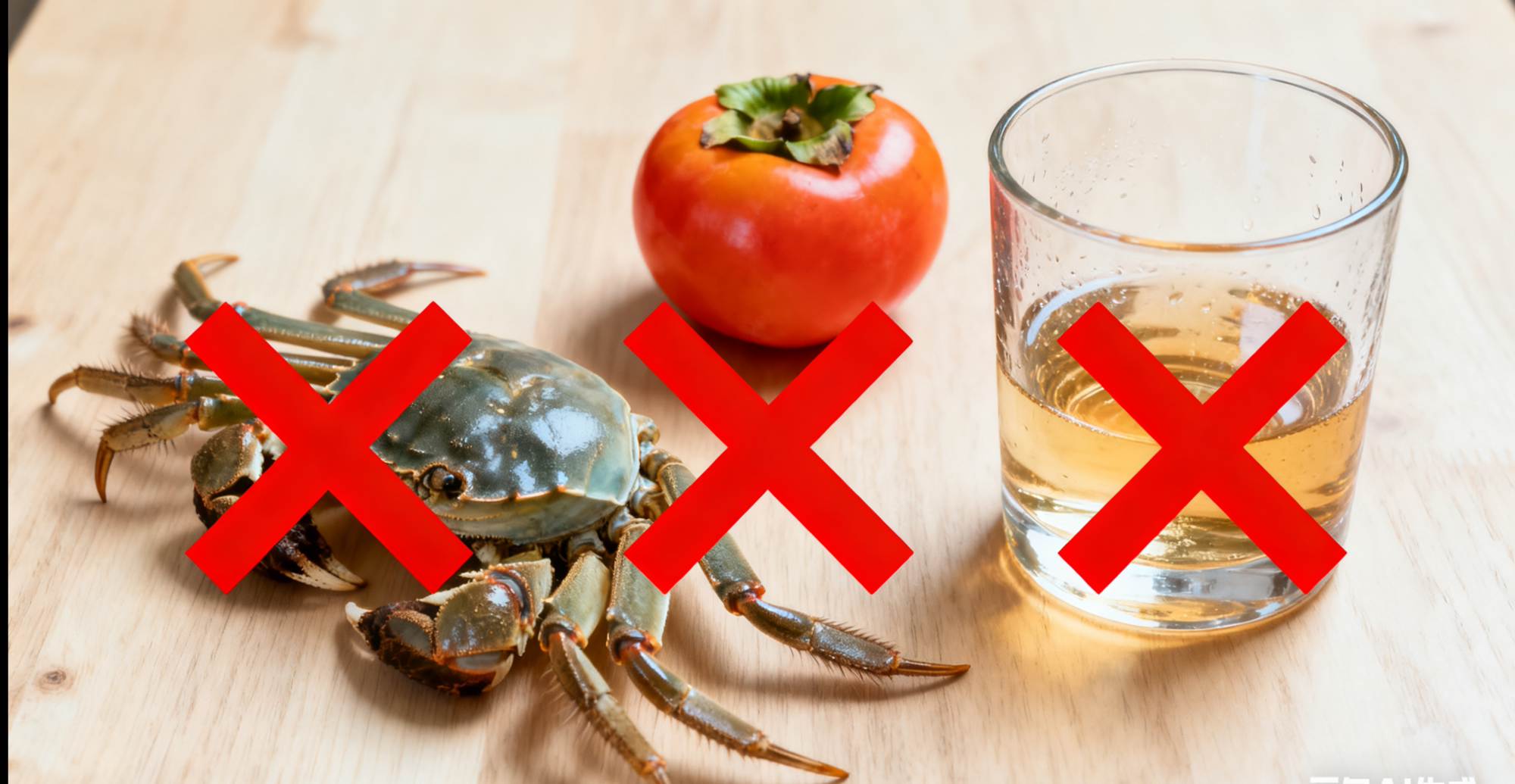
Eating crab with alcohol can cause double liver damage and induce hepatocyte necrosis. The tannic acid in persimmons can combine with crab meat protein to easily form bezoars, leading to bloating, abdominal pain, and increased digestive burden on the liver.
4.2 Do not eat on an empty stomach
Eat staple foods such as rice or steamed buns before eating crab to slow down protein absorption and reduce the metabolic burden on the liver.
4.3 Avoid Crab Soup
The broth from steamed crab contains a large amount of dissolved cholesterol and purines. Those with liver disease and concurrent high uric acid or high cholesterol should avoid drinking it.
V. Timely Recognition of Abnormal Liver Reactions
After consuming crab, liver disease patients should closely monitor their body's reactions for 24-48 hours. If the following symptoms appear, consumption should be stopped immediately and medical attention sought.
5.1 Digestive and Systemic Symptoms
Abdominal bloating, abdominal pain, nausea, and vomiting suggest indigestion or intestinal infection; fatigue, drowsiness, and abnormal behavior may be early signs of hepatic encephalopathy induced by excessive protein intake.
5.2 Abnormal Liver Function Information
Darkened urine (tea-colored urine) and yellowing of the skin/whites of the eyes suggest abnormal bilirubin metabolism, potentially leading to jaundice; itchy skin and lighter stool color should raise suspicion of worsening cholestasis.
The key to enjoying crab in autumn is balancing deliciousness and health.
Liver disease patients must remember: those who can eat it should only have a small taste, and those who should avoid it should absolutely not eat it. Protect your liver by making scientific choices, strictly controlling portion sizes, and avoiding contraindications. If you have any questions, it is recommended to consult your doctor in advance to develop a personalized dietary plan.