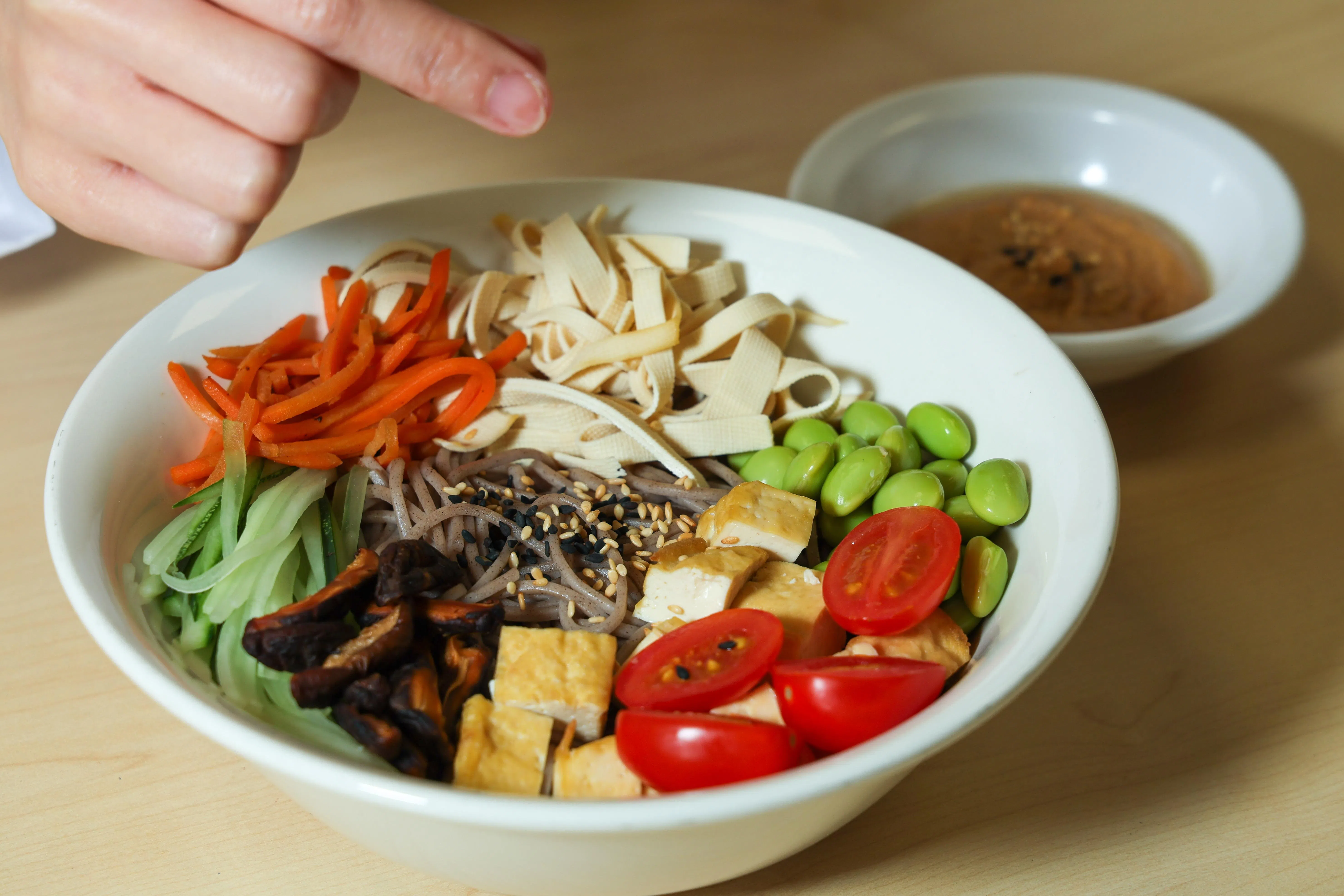
Carefully planned meals can ensure a balanced diet. Ling Yuxin, a dietitian at Mount Alvernia Hospital, suggests that vegans consider the following basic principles:
1. Diets should cover all major food groups (such as vegetables, fruits, and grains), with proportions following the Health Promotion Board's "My Healthy Plate" guidelines: 1/4 high-quality protein; 1/4 whole grains; and half vegetables and fruits.
2. Mix and match different plant-based protein sources to ensure adequate intake of the nine essential amino acids (which the body cannot produce). For example, eat whole-grain bread with peanut butter (the former is lower in lysine, while peanut butter is rich in lysine), or rice with beans (rice is rich in methionine but low in lysine, while beans are the opposite).
3. Focus on whole-food ingredients and minimize consumption of highly processed foods to avoid excessive intake of fat, sodium, and sugar.
4. Limit the use of oils high in saturated fat, such as coconut oil and palm oil.
Further Reading
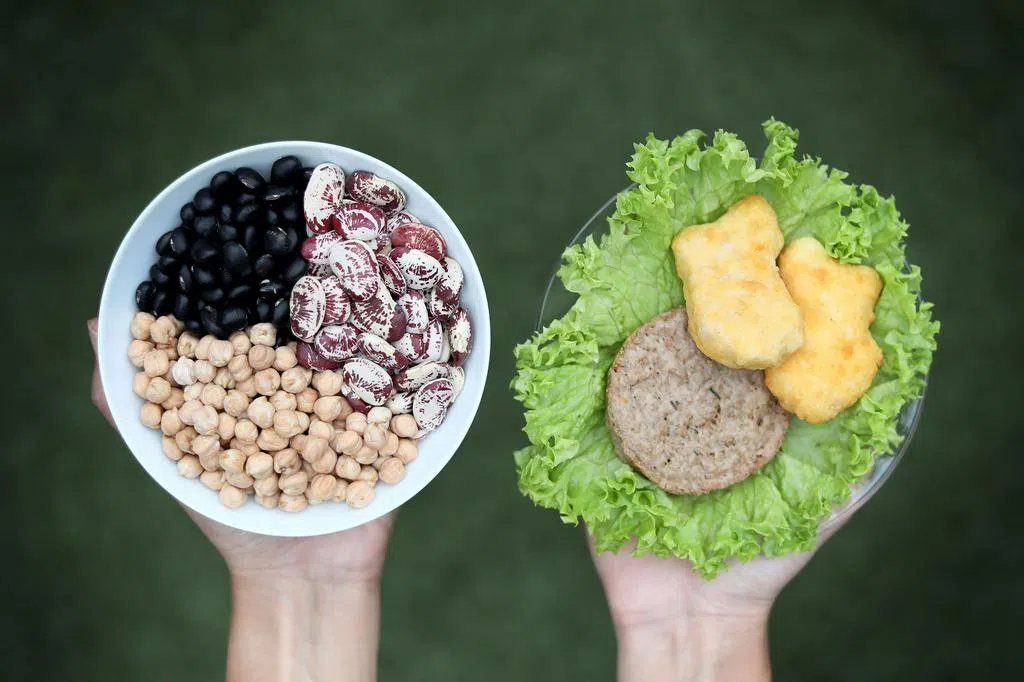

5. Soak whole grains, lentils, and beans in water to sprout them before eating; this makes the nutrients easier to absorb and digest.
6. Pairing foods rich in vitamin C (such as citrus fruits, bell peppers, and tomatoes) with iron-rich foods (such as spinach and beans) helps the body absorb non-heme iron. Alternatively, you can eat vitamin C-rich foods within one hour of consuming the latter.
7. Avoid drinking tea, coffee, or wine when consuming iron-rich foods, as the tannins in these beverages can reduce iron absorption.
8. Take appropriate supplements of vitamin B12, calcium, and Omega-3 fatty acids (when these cannot be obtained adequately from dietary sources alone).
Suggested Vegan Meal Plan
Regarding the specific arrangement of three meals a day, Ling Yuxin provides the following sample for reference:
Breakfast: Oatmeal, calcium-fortified plant-based milk, chia seeds, walnuts, and blueberries
Lunch: Brown rice, spinach soup, and fried tofu
Afternoon tea: A small bowl of low-sugar red bean soup
Dinner: Whole-grain pasta with tomato sauce, served with chickpeas, mushrooms, broccoli, and carrots
Late-night snack: Fruit
*Vegan foods containing all essential amino acids include quinoa, tofu, tempeh, edamame, and chia seeds.
Clearly, a vegan diet doesn't necessarily require eating plant-based meats; properly combining whole ingredients can achieve both deliciousness and nutrition. Ling Yuxin also provides a vegan recipe that anyone, whether vegan or not, can try; eating more vegetables is beneficial to health.
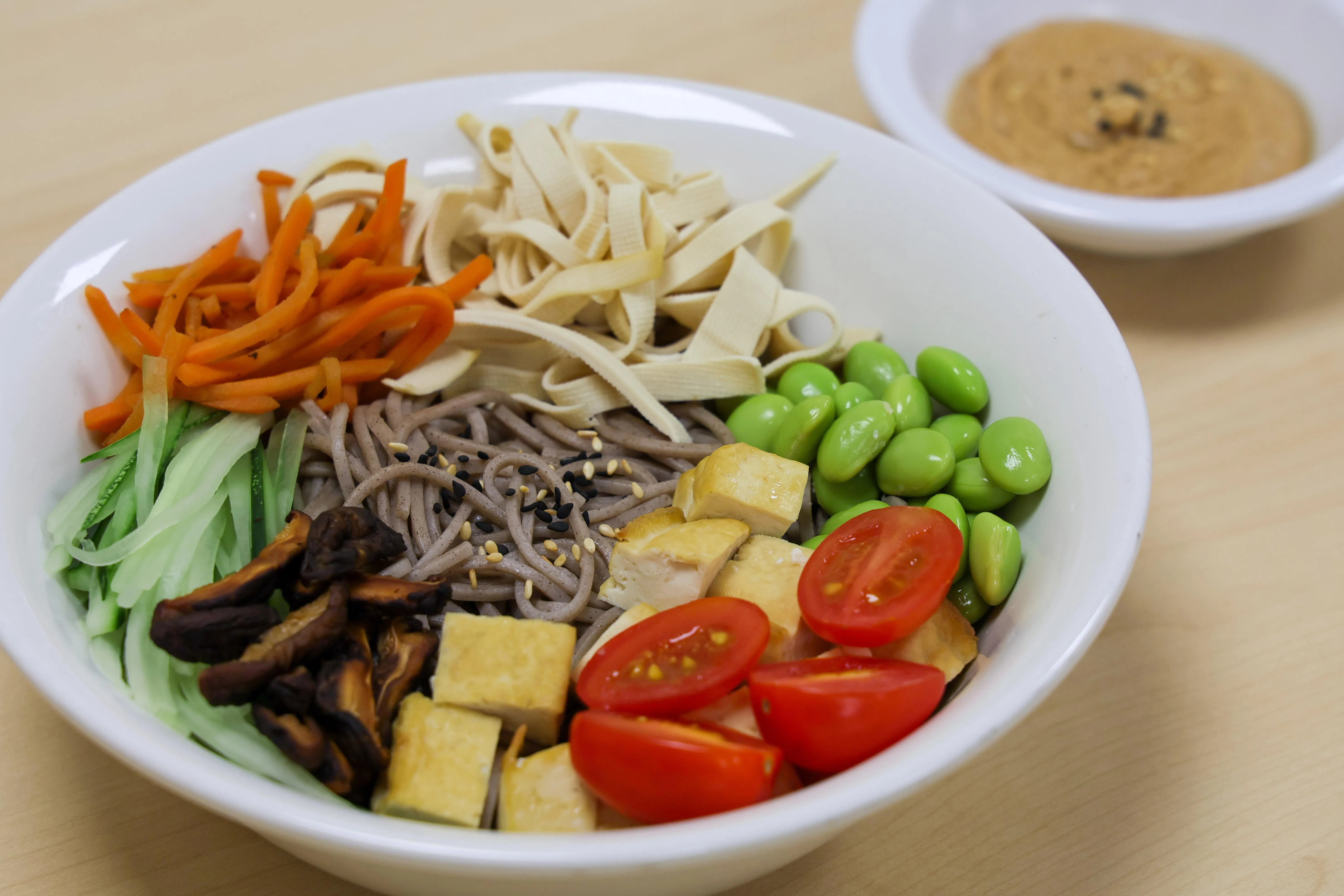
Buckwheat Noodle Salad with Peanut Sauce
Nutritional Information: 492 kcal per serving; 45g carbohydrates; 31g protein; 20g fat.
Ingredients (Serves 2)
160g buckwheat noodles
100g dried tofu (diced)
80g tofu skin (cut into strips and blanch in boiling water for 4-5 minutes)
80g shiitake mushrooms (soaked in hot water until soft and thinly sliced)
50g carrot (shredded)
80g cucumber (shredded)
6-8 cherry tomatoes (halved)
100g edamame (blanch in boiling water for 2-3 minutes or until cooked)
2 tablespoons additive-free peanut butter
1 tablespoon light soy sauce
1 teaspoon sesame oil
Hot water as needed
Toasted black and white sesame seeds (for garnish, optional)
Instructions
1. Cook buckwheat noodles in boiling water for 4-5 minutes or until cooked through. Remove and set aside.
2. Heat 2 teaspoons of oil in a pan. Add the tofu and fry until golden brown. Remove and set aside.
3. Heat 2 teaspoons of oil in the pan again. Add the shiitake mushrooms and carrots and stir-fry until cooked (carrots can also be eaten raw).
4. In a small bowl, combine peanut butter, light soy sauce, sesame oil, and two or three tablespoons of hot water. Mix until a paste forms.
5. Place all ingredients except the sauce in a large bowl. Sprinkle with sesame seeds, then pour the sauce over the top. Mix well and enjoy.