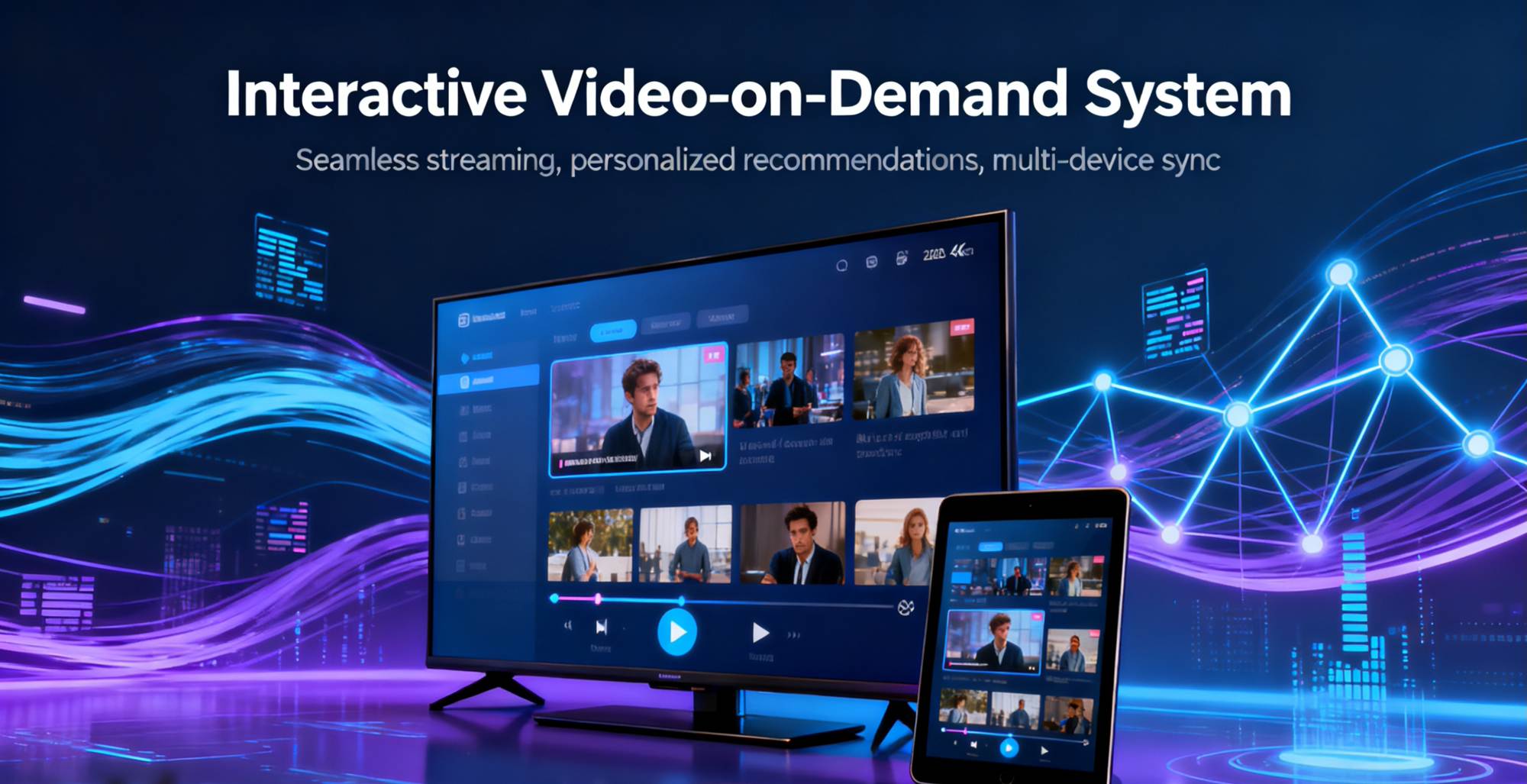
With the rapid development of the hotel industry, technological innovation and the introduction of high technology have become important ways for hotels to shape their personalized service brands. More and more guesthouses are moving towards digitalization, networking, intelligence, and information technology. Infrastructure is also maturing. In terms of network construction, the number of hotels that have completed or are planning to complete structured cabling renovations is increasing. Structured cabling has become a must-have infrastructure item for new hotels.
content
Hotel IPTV
System Architecture
System Features
System Features
Hotel IPTV
Pros and Cons of Different IPTV Service Access Methods
Currently, there are three common methods for hotel IPTV service access.
First, for small and medium-sized hotels with fewer guest rooms and requiring only live streaming and on-demand services, fiber optic cable conversion can be used to connect to FTTH broadband, providing each room with an IPTV channel, providing guests with the same IPTV service as home users. This access method is simple to implement, eliminating the need for hotels to build their own platform, but it lacks the ability to provide personalized services.

Secondly, for hotels that already have a VOD platform and require the provision of their own programming, fiber optic conversion can be used to connect multiple FTTH links, each with an IPTV channel. These channels are then distributed to each room via the hotel's existing VOD platform, allowing the hotel to freely select the number of IPTV and satellite channels it can access, as well as its own programming. This access method offers relatively low investment, maximizing existing resources and saving users money. However, its drawbacks include inconvenient management, a cumbersome channel switching process, and sometimes set-top boxes that remain online for extended periods of time may freeze, which can be difficult to detect in a timely manner.
Thirdly, for high-end hotels that have newly built or renovated integrated wiring and require high-quality service, dedicated IPTV lines can be used to stream programming to the hotel's newly built VOD platform, or satellite programs can be imported via a satellite reception system, or local broadcasting networks can be connected to live programs. The hotel can also customize its own homepage and provide access to its own program content channels. This solution features a low initial investment, high stability, scalability, and personalized features.
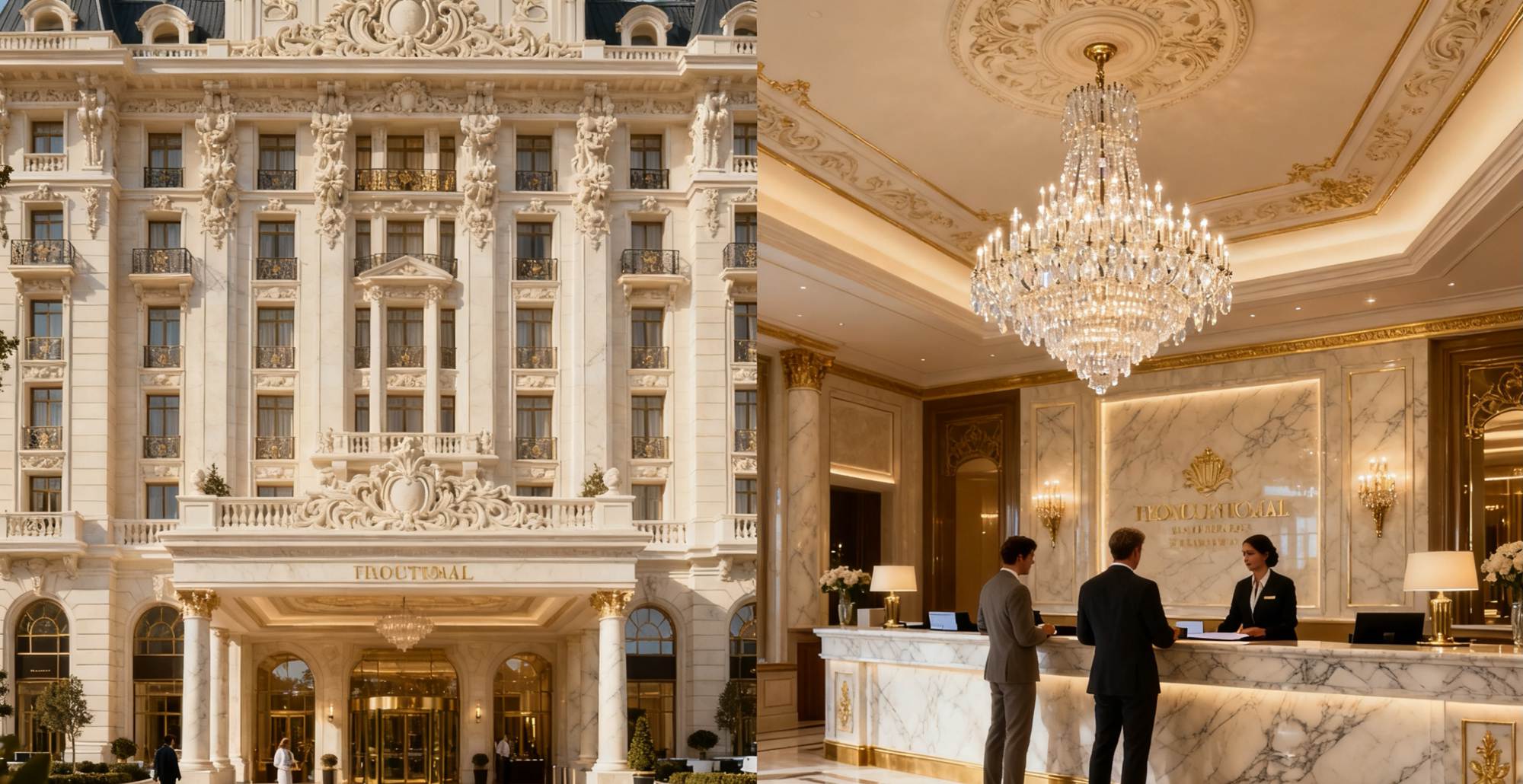
The third option is more suitable for modern hotels.
This third approach offers live streaming, time-shifting, playback, on-demand viewing, internet access, and comprehensive hotel information services. It can maximize user satisfaction, enhance hotel service features, improve service quality, enhance the hotel's image, attract customers, and increase occupancy rates. It is currently the preferred choice for "hotel intelligence."
Take the Bingzhou Hotel as an example. By introducing IPTV services, guests can now enjoy 50 live programs, including those provided by the "Huishi" IPTV service platform, local broadcasting channels, satellite channels, on-demand programs, and the hotel's own programs. Guests can also customize the live channels and playback times. The hotel also provides a customized homepage that displays the Bingzhou Hotel image upon startup, and a two-in-one smart remote control panel printed with the hotel's exclusive logo.
System Architecture
The entire system consists of a live streaming server cluster, an on-demand server cluster, a content management system (CMS), a streaming media core system (MSP), real-time encoding equipment, core switches, and set-top boxes. The system platform features innovative live streaming, time-shifted TV, catch-up TV, and HD and SD video on demand. It can access multiple protocol streams and output them to set-top boxes. Live TV supports live programs from Taiyuan's local broadcasting network and the hotel's own live programs. Video on demand supports both HD and SD video, and resource editing and classification management allows for the creation of a library of film, television, and special topic resources. The electronic program guide provides users with a program guide.
System Features
The hotel IPTV system consists of four components: a live video system, a hotel-owned program system, an interactive on-demand system, and concurrent output. It supports HD and SD video streaming, enabling live TV broadcasts. The hotel IPTV business management system, a management system for audio and video operations, utilizes a modular design to provide systematic and comprehensive management of the hotel's IPTV streaming media broadcast and control platform. Taking the Bingzhou Hotel's IPTV system as an example, the "Huishi" hotel IPTV system boasts six key features.
1. The IPTV live stream is introduced via a dedicated line from a convergence switch under the BAS. The system's primary live broadcast source comes from cable TV. After processing through the "Hui Shi" streaming platform, live broadcast quality reaches HD, channel switching speeds can be achieved in seconds, and a program playback function has been added.
2. The issue of prolonged screen lag on the startup screen has been resolved. The system's set-top box uses the Android operating system. During initial testing, it took over 50 seconds for the live broadcast interface to appear after startup. By optimizing the startup process, this lag time has been reduced to approximately 25 seconds without compromising resolution, significantly reducing guest complaints.
3. Bingzhou Hotel's proprietary programming has been added. In response to the demand for Bingzhou Hotel's proprietary programming among guests, "Hui Shi" has connected three promotional channels of the Bingzhou Hotel to the central computer room for guests to choose from.
4. Live broadcasts are available in both list and grid formats. The list format provides a more intuitive view of the currently playing programs on the selected channel, while the grid format displays more channels on the page, allowing guests to quickly select a channel.
5. The set-top box terminal can be concealed within the wall behind the TV. This not only meets the hotel's aesthetic needs but also ensures that guests can smoothly change their desired program with a click of the remote control.
6. Two-in-one remote control for convenience and practicality. Through professional custom manufacturing, Taiyuan Unicom provided the hotel with a two-in-one remote control, featuring the hotel logo printed on it. This facilitates guest use while also promoting the hotel and meeting the hotel's specific customization needs.