(Tokyo) Japanese Prime Minister Sanae Takaichi will launch her first stimulus package since taking office, totaling 10 trillion yen (approximately S$84 billion), at the end of this month, through investments in 17 key sectors, including artificial intelligence, semiconductors, and shipbuilding, employing a long-term and short-term strategy to revitalize the world's fourth-largest economy.
The Japan Growth Strategy Committee, established by Takaichi last week, held its first meeting on Monday evening (November 10th), and is expected to finalize its growth strategy by the summer of 2026. The 17 sectors identified by the committee include, in addition to artificial intelligence, semiconductors, and shipbuilding, defense, pharmaceuticals, key minerals, aerospace, cybersecurity, quantum computing, and nuclear fusion.
At the meeting, the Growth Strategy Committee also recommended a stimulus package to Takaichi to ignite economic recovery. It suggested that the package should include measures such as upgrading supply chains, fostering startups, promoting growth through financing, and helping companies raise wages.
According to documents released after the meeting, the goal of the economic stimulus package is to create a positive economic cycle by strengthening the supply structure, increasing income, improving consumer sentiment, boosting business profits, and expanding tax revenue without raising tax rates.
At the meeting, Sanae Takaichi instructed relevant cabinet ministers to formulate supplementary budgets for various economic strategies as soon as possible and finalize the necessary tax measures, and to "immediately begin feasible work, without waiting for the stimulus package to be implemented."
Further Reading
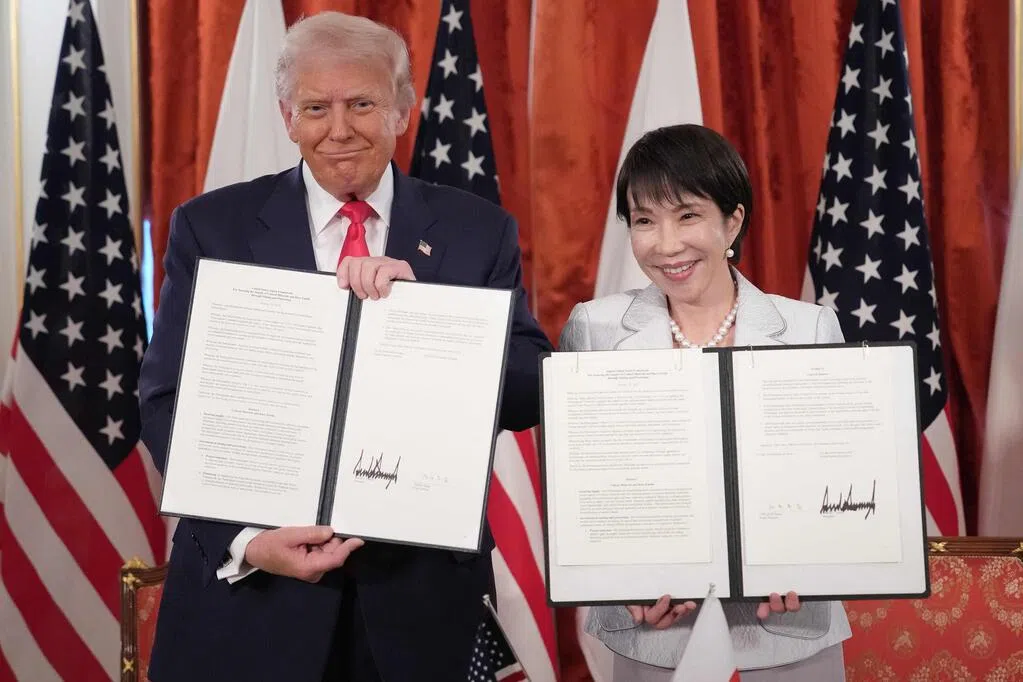
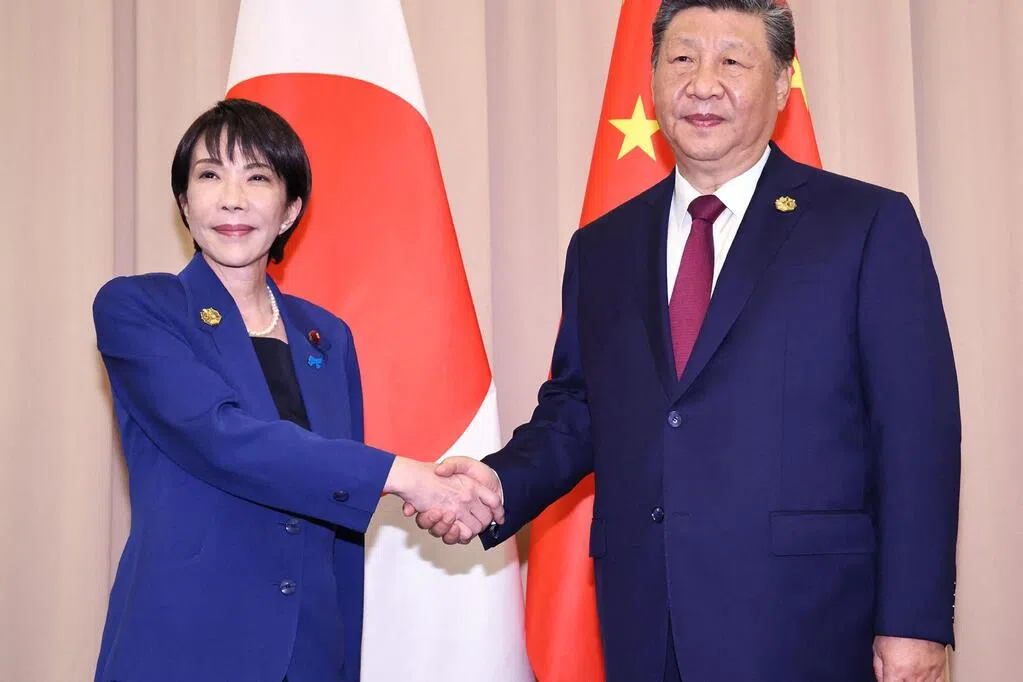
Sanae Takaichi had previously signaled that the Japanese government would further implement fiscal expansion policies. Last week, she also stated that Japan was only halfway to achieving its goal of maintaining stable inflation while continuing to drive wage growth, indicating her desire for the Bank of Japan to remain cautious in gradually raising policy interest rates.
Japanese rice prices have surged again to near record highs, posing a significant challenge to newly appointed Takaichi.
In the week ending October 27, the average price of a 5kg bag of white rice in Japanese supermarkets was 4,235 yen (approximately S$35), a 23% increase compared to the same period last year, double the price level in 2023, and close to the record high of 4,285 yen set in May this year.
Japan's newly appointed Agriculture Minister, Norikazu Suzuki, revealed that he might consider issuing rice vouchers to specific households to help them cope with inflationary pressures.
Japanese rice prices began to surge in the middle of last year due to supply shortages. After the unprecedented large-scale release of strategic reserves by the previous Ishiba Shigeru government, prices moderated this summer. Unexpectedly, after the autumn harvest season, wholesalers, fearing a repeat of last year's situation, purchased large quantities of rice at high prices, causing wholesale prices to soar, rising 36% month-on-month in September.
Japanese economists predict that retail prices for white rice will not fall significantly until March next year, unless the market is very certain of a significant supply surplus.