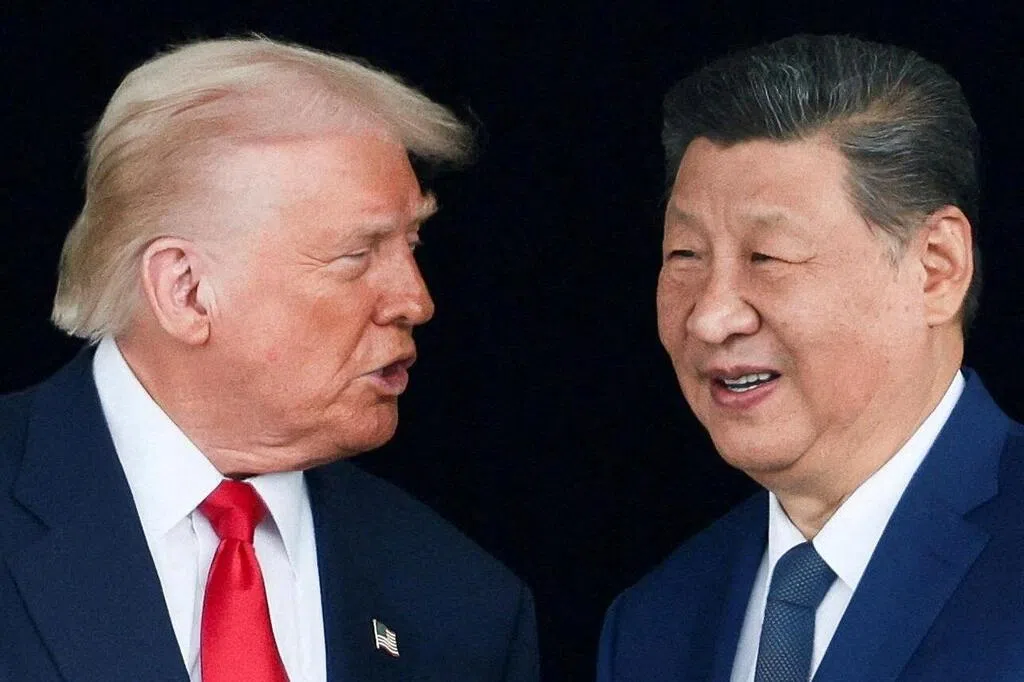
Amidst heightened tensions in Sino-Japanese relations, US President Donald Trump spoke by phone with the leaders of China and Japan within two days. However, Japanese Prime Minister Sanae Takaichi declined to reveal whether Trump mentioned her comments regarding a potential "Taiwan crisis."
Takaichi spoke with Trump on Tuesday (November 25th) at his invitation, and the two spoke for approximately 25 minutes. She later told a press conference that Trump told her about his call with Chinese President Xi Jinping the previous day (November 24th).
When asked by reporters whether Trump mentioned her recent remarks about Taiwan, she declined to answer, saying, "Because this was a diplomatic conversation, I cannot disclose it."
On November 7th, Takaichi stated in a parliamentary address that if Taiwan were attacked and blockaded, it could escalate into a situation threatening Japan's survival. She argued that if such a situation occurred, and the US was attacked while protecting Taiwan, Japan could exercise its right to collective self-defense. These remarks angered China, which stated that her comments crossed an insurmountable red line and demanded that Japan retract its statements.
Japanese mainstream media on Tuesday cited Chinese reports on the Xi-Trump phone call, stating that Xi emphasized Beijing's principles and stance on the Taiwan issue, and pointed out that "Taiwan's return to China is an important part of the post-war international order."
Further Reading
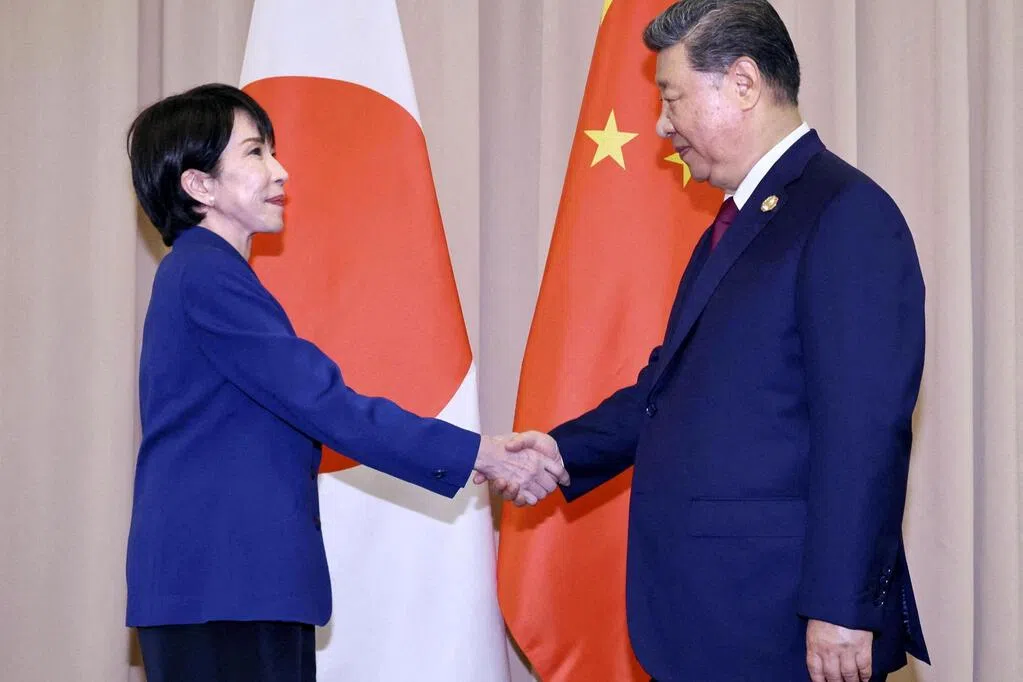
At a press conference, Takaichi said her call with Trump primarily reaffirmed the close relationship between Japan and the United States.
“President Trump briefed me on the latest developments in US-China relations, including the recent phone call between the two leaders. He also inquired about my participation in the G20 summit, which I answered. We reaffirmed the close cooperation between Japan and the United States and exchanged views on a wide range of issues, including strengthening the Japan-US alliance, efforts for peace in Ukraine, and addressing the challenges of the current situation in the Indo-Pacific region.”
While Takaichi avoided discussing Taiwan-related remarks, major Japanese media outlets such as the Asahi Shimbun pointed out that her comments led China to take a tougher stance against Japan and launch an international public opinion offensive.
Japan's Permanent Representative to the United Nations Refutes Chinese Accusations
On the 21st of this month, China's Permanent Representative to the United Nations, Fu Cong, sent a letter to UN Secretary-General Guterres, stating that Takaichi's remarks amounted to Japan attempting “military intervention” in the Taiwan issue, and called it “a threat of force against China, openly challenging China's core interests.”
Japan's Permanent Representative to the United Nations, Kazuyuki Yamazaki, sent a letter to Guterres on the 24th, refuting these accusations. He said, "China's claim that Japan exercises its right to self-defense without being attacked is a misconception. Japan's consistent position is to resolve the Taiwan issue peacefully through dialogue."
Takaichi's remarks also drew domestic attention. The opposition Komeito party inquired whether the government would retract Takaichi's statement about an "existential threat," to which the Japanese cabinet replied in writing on Tuesday that it was "unnecessary." The written reply also emphasized, "Peace and stability across the Taiwan Strait are crucial not only to Japan's security but also to the stability of the entire international community."
The Komeito party has long been considered to have channels of communication with China, playing this role during its coalition government with the Liberal Democratic Party. Komeito leader Tetsuo Saito said on Tuesday that the deterioration of Japan-China relations "is due to friction caused by misunderstandings." He also suggested to Takaichi that "Komeito's various connections" could be used to repair the rift.