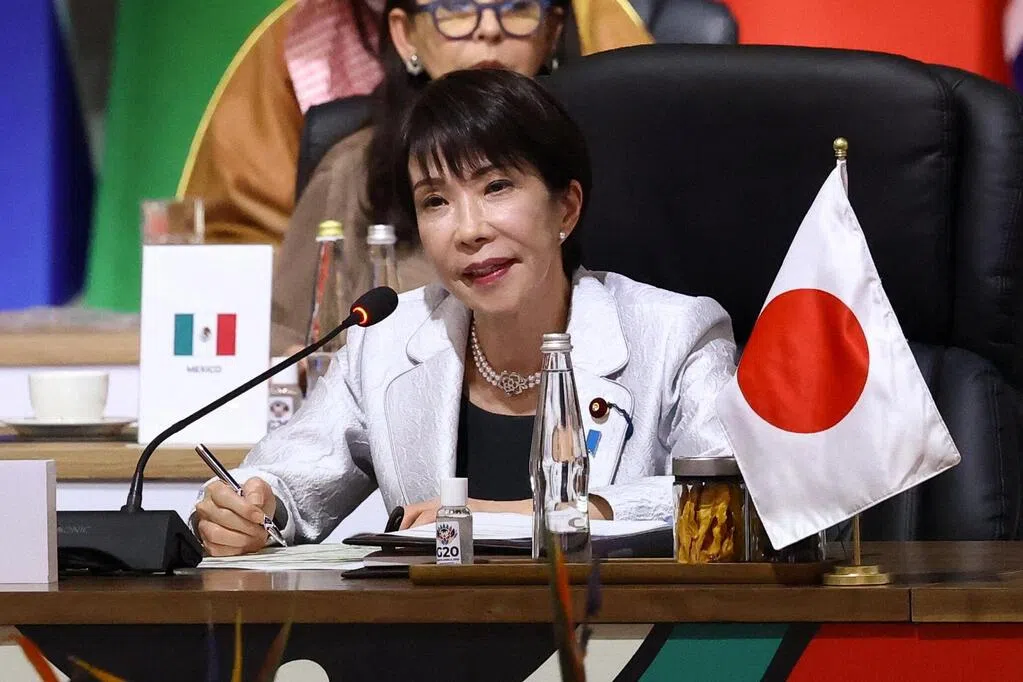
Japan will introduce a new foreign policy in January next year to build a society where people can coexist peacefully. Newly appointed Minister of Economy and Security, Kimi Onoda, who will be in charge of this task, emphasized that the policy is not xenophobic, but rather aims to differentiate between good and bad foreigners, ensuring that foreigners engaged in illegal activities will not remain in Japan, thereby eliminating prejudice against foreigners among the Japanese public.
In recent years, Japan has been importing foreign workers to compensate for its declining population. According to data from the Immigration Bureau, as of June this year, the number of foreign residents, excluding short-term visitors, reached 3.9 million, a 5% increase from December last year, setting a new record.
With the surge in foreign residents, public safety in Japan has become a political hotspot. Conservative parties used this issue to garner voter support in the July House of Councillors election. The coalition agreement reached in October between the Liberal Democratic Party (LDP) and the Japan Innovation Party also included a tightening of the foreign policy.
Prime Minister Sanae Takaichi, during her campaign for LDP president, addressed the issue of "foreigners' disorderly conduct." After taking office, she created a new position of "Minister of Foreign Affairs" in the cabinet, appointing Minister of Economy and Security Kimi Onoda to concurrently hold the role.
Onoda, 42, of Japanese-American descent, said in an interview with Japanese media: "Japan's declining population has led to a labor shortage, and some industries do indeed need foreign workers. However, saying 'no' to criminals is not contradictory to these two things."
Further Reading

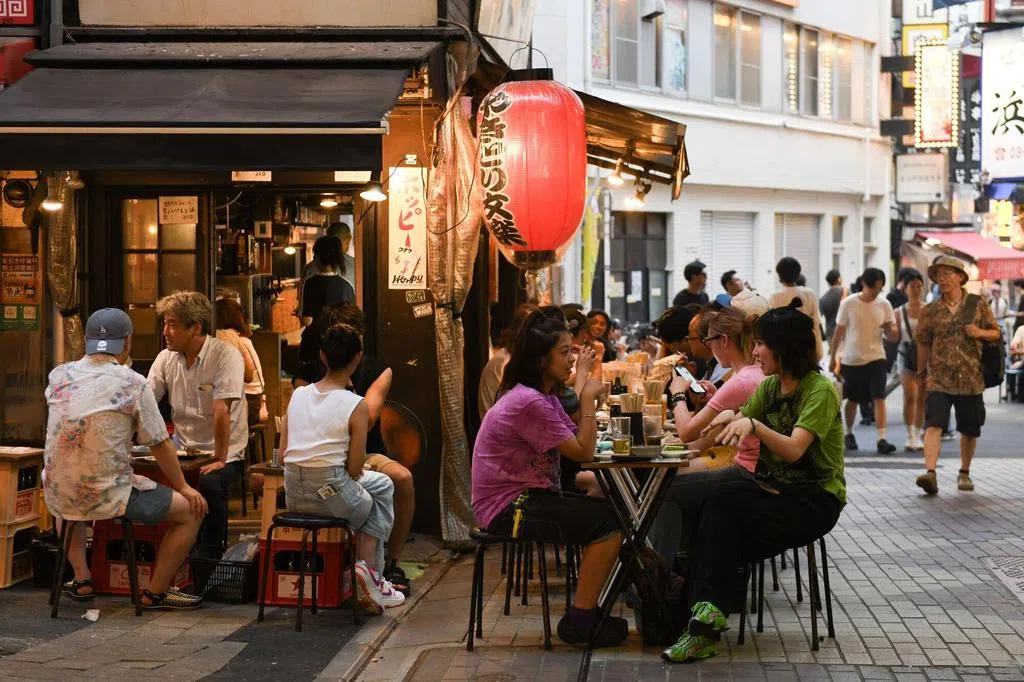
Foreigners' real estate speculation has drawn attention, prompting authorities to investigate potential security risks in land purchases. The surge in property prices in Japan due to foreign speculation has also raised concerns. Onoda stated, "If the public is worried about foreigners buying land, we must conduct a thorough investigation and establish a system to address this issue as soon as possible, striving to understand the actual situation regarding transactions such as land purchases by overseas individuals."
Furthermore, Onoda is collaborating with the Ministry of National Defense and the Ministry of Foreign Affairs to conduct a framework review of land expropriation, aiming to investigate potential security risks associated with foreign land purchases.
Japanese authorities have tightened the application requirements for business immigration visas to prevent foreigners from obtaining visas by purchasing cheap properties to operate guesthouses. Previously, a registered capital of 5 million yen (approximately S$41,500) was sufficient for a three-year residency permit. According to official data, Japan issued 41,615 business immigration visas last year based on a 5 million yen registered capital, with more than half issued to Chinese citizens.
The new policy introduced in October this year requires renewals and applicants to increase their capital to 30 million yen. In addition, to prevent cheating, applicants are required to possess professional qualifications, pass a Japanese language proficiency test, and employ at least one full-time employee. Japanese media points out that due to the depreciation of the yen, many middle-class Chinese are able to purchase property and operate businesses such as guesthouses in Japan through business immigration visas. Tightening policies will inevitably discourage many Chinese pursuing the "Japanese Dream."