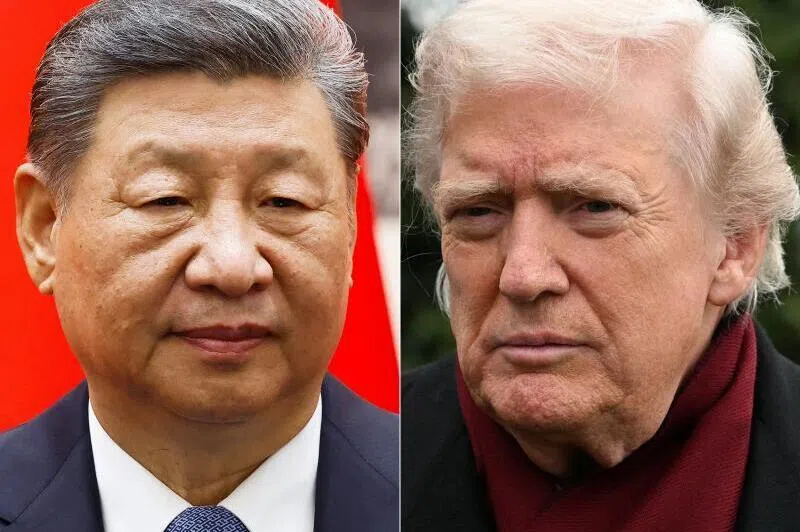
(Washington, D.C.) U.S. President Donald Trump said that Chinese President Xi Jinping has "basically agreed" to increase and accelerate purchases of U.S. agricultural products. Sources familiar with the matter revealed that since Tuesday, China has purchased at least 10 shipments of U.S. soybeans, totaling approximately $300 million (about S$389 million).
Trump spoke with Xi Jinping for an hour on Monday (November 24) to discuss trade issues and the diplomatic dispute between China and Japan over Taiwan.
Trump told reporters aboard Air Force One on Tuesday (November 25): "I think he (Xi Jinping) will bring a big surprise… I asked him, 'I want you to accelerate your purchases (of U.S. agricultural products), and buy more.' He largely agreed."
Reuters, citing informed traders, reported that China has signed contracts to purchase 12 shipments of U.S. soybeans since Tuesday. Another trader said that China purchased 10 to 15 shipments of U.S. soybeans.
Each shipment of soybeans is approximately 60,000 to 65,000 metric tons. This unusually large purchase continues the recent surge in Chinese market purchases following the easing of trade tensions between the U.S. and China.
Further Reading
China has long been the largest buyer of U.S. soybeans, but due to Trump's tariff policies, Chinese purchases of U.S. soybeans have almost come to a standstill this year, severely impacting U.S. agriculture.
At the end of last month, Trump and Xi Jinping reached a trade agreement in South Korea, which included China purchasing at least 12 million tons of U.S. soybeans in the last two months of this year and at least 25 million tons annually for the next three years.
China's state-owned grain trader, COFCO, is leading the way in fulfilling the agreement. Data from the U.S. Department of Agriculture shows that COFCO has ordered nearly 2 million tons of U.S. soybeans since the end of October. However, China's purchasing pace is still lower than expected.
In response, U.S. Treasury Secretary Bessenter insisted on Tuesday that China is purchasing U.S. soybeans as planned. He told CNBC, "China will purchase at least 87.5 million tons of U.S. soybeans over the next three and a half years. Their progress is entirely in line with expectations."
Bessenter acknowledged that the U.S. and China "will always be competitors, that's natural." But at the same time, he is very optimistic about the relationship between Trump and Xi Jinping, pointing out that the two countries can cooperate in some areas.
Bessant confirmed that the phone call between the Chinese and US leaders on Monday was initiated by Trump, and the two leaders may meet up to four times next year. He said that in addition to a state visit to China expected in April, Trump may also attend the Asia-Pacific Economic Cooperation (APEC) meeting in Shenzhen in November.
It is anticipated that Trump will host Xi Jinping twice more in the US next year: once during Xi's state visit to Washington, and again during Xi's visit to Trump's resort for the G20 summit.
Bessant said, "If we meet four times in a year, I think that will bring tremendous stability to the relationship between the two countries—and stability is good for the American people and the world economy."
Bessant also mentioned that the US position on the Taiwan issue remains unchanged, and stated that Trump and Xi agreed to cooperate in pushing for an end to Russia's war in Ukraine.
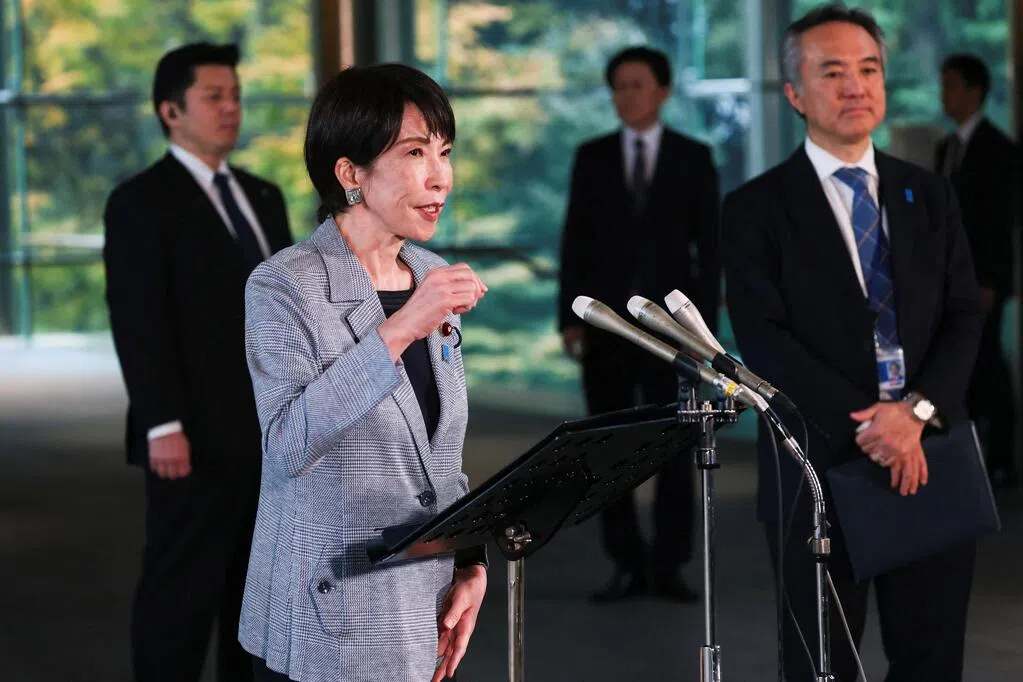
Trump also spoke with Japanese Prime Minister Sanae Takaichi on Monday, describing their conversation as "great." Trump said on Tuesday, "I have a very good relationship with the new prime minister. She is very smart, very strong, and will be a great leader."