(Tokyo) Japanese media reports that Prime Minister Sanae Takaichi's high approval ratings are prompting opposition parties to intensify preparations in response to the possibility of her calling an early general election. Analysts predict the election could be held as early as January next year.
The Yomiuri Shimbun reported that Jun Azumi, Secretary-General of the Constitutional Democratic Party (CDDP), Japan's largest opposition party, said on Tuesday (November 25) that the CDDP will cooperate with other parties to win back seats from the ruling coalition.
Meanwhile, Yuichi Tamaki, leader of the Democratic Party for the People (DPJ), another opposition party, has recently been visiting various prefectures and has set a goal of fielding at least one candidate in each prefecture.
Sanae Takaichi is a hardline nationalist and fiscal dove, and her approval ratings have remained high since she took office on October 21. A poll released by Fuji News Network (FNN) on Monday showed that Takaichi City's approval rating was as high as 75.2%.
Those who support an early election hope that the ruling Liberal Democratic Party (LDP) can leverage Takaichi's popularity to win enough seats to regain control of the House of Representatives. Currently, the Liberal Democratic Party (LDP) and its coalition partner, the Japan Innovation Party (JIP), do not hold a majority in the House of Representatives. This forces the government to accept the opposition's demands in order to pass the budget and legislation.
Further Reading
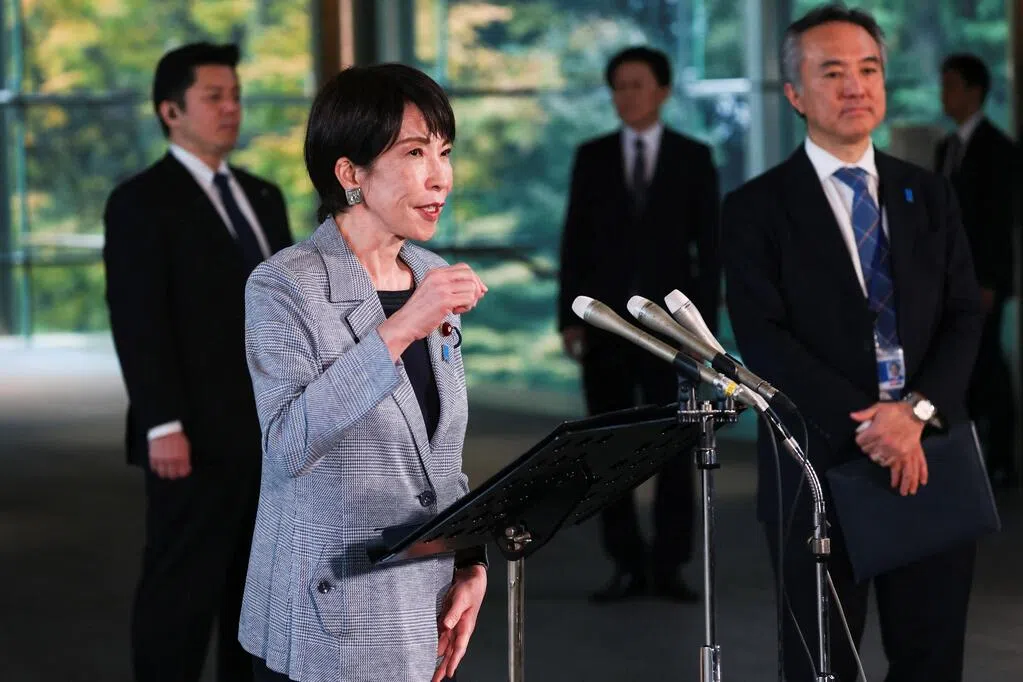

Meanwhile, Takaichi's proposed 21.3 trillion yen (approximately S$180 billion) economic stimulus package has pushed up bond yields, sparking concerns about Japan's fiscal situation and calls for the government to explain how it plans to restructure the national finances.
Takaichi has repeatedly stated that she has no time to consider holding an early election, but will instead focus on implementing policies to mitigate the economic impact of rising living costs. Nevertheless, former Prime Minister and Constitutional Democratic Party leader Yoshihiko Noda stated earlier this month: "The Prime Minister is very likely to consider dissolving the Diet early."
Some analysts believe that Japan may hold an early election as early as January next year, and the election results will influence the government's economic policies, including the annual long-term fiscal blueprint expected to be released around June next year.
Depending on when the election is held, the timing and pace of the Bank of Japan's interest rate hikes may also be affected, as central banks typically avoid making major policy adjustments before elections.