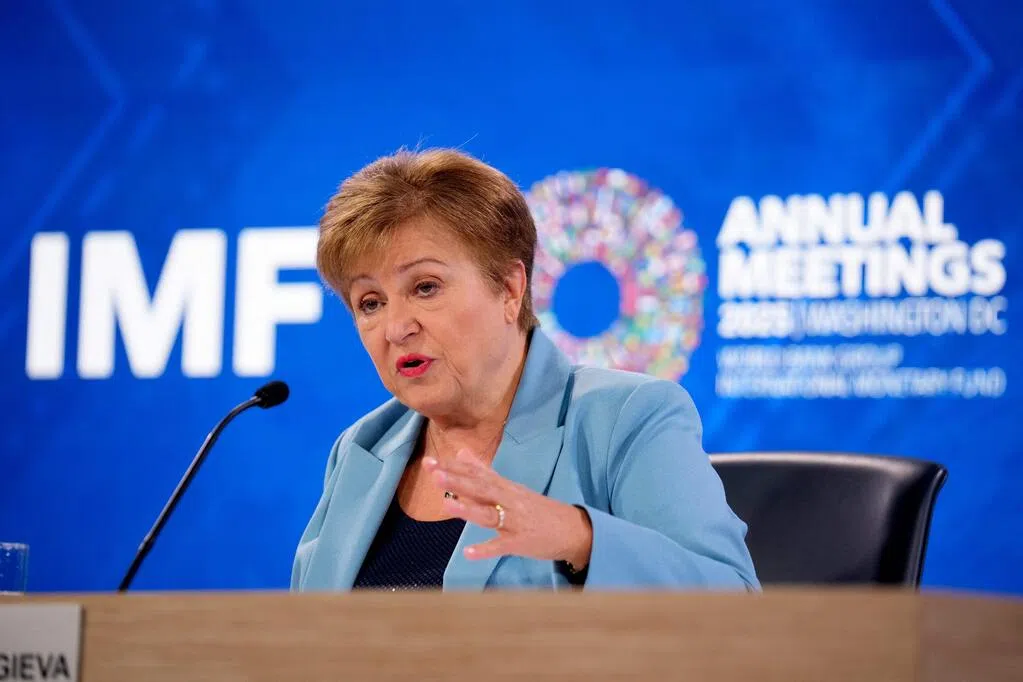
(Washington/Tokyo) The International Monetary Fund (IMF) said the Asia-Pacific region remains the fastest-growing region in the world, but higher tariffs and rising protectionism could weaken demand for Asia-Pacific exports and ultimately weigh on economic activity.
The IMF released a report on Friday (October 24), noting that Asia's economic expansion earlier this year benefited from strong exports, which were largely due to businesses rushing to purchase ahead of tariff increases.
The IMF projects that Asia-Pacific gross domestic product (GDP) will grow by 4.5% in 2025, slightly lower than 4.6% in 2024. The growth is expected to slow further to 4.1% in 2026, primarily due to trade tensions, weak demand from China, and sluggish private consumption in emerging economies.
The IMF said: "While trade policy uncertainty has declined compared to April, it remains elevated and could weigh more heavily on investment and market sentiment than expected. Tighter financial conditions due to domestic or global developments could exacerbate trade shocks and heighten economic vulnerabilities, which in turn could exacerbate social tensions."
The Asia-Pacific region accounted for approximately 60% of global economic growth last year. The IMF called on Asia-Pacific policymakers to take measures to stimulate domestic demand, especially consumption, and revive productivity growth. In the short term, the IMF recommends that countries use targeted fiscal and monetary stimulus to mitigate the impact of trade shocks.
Further reading
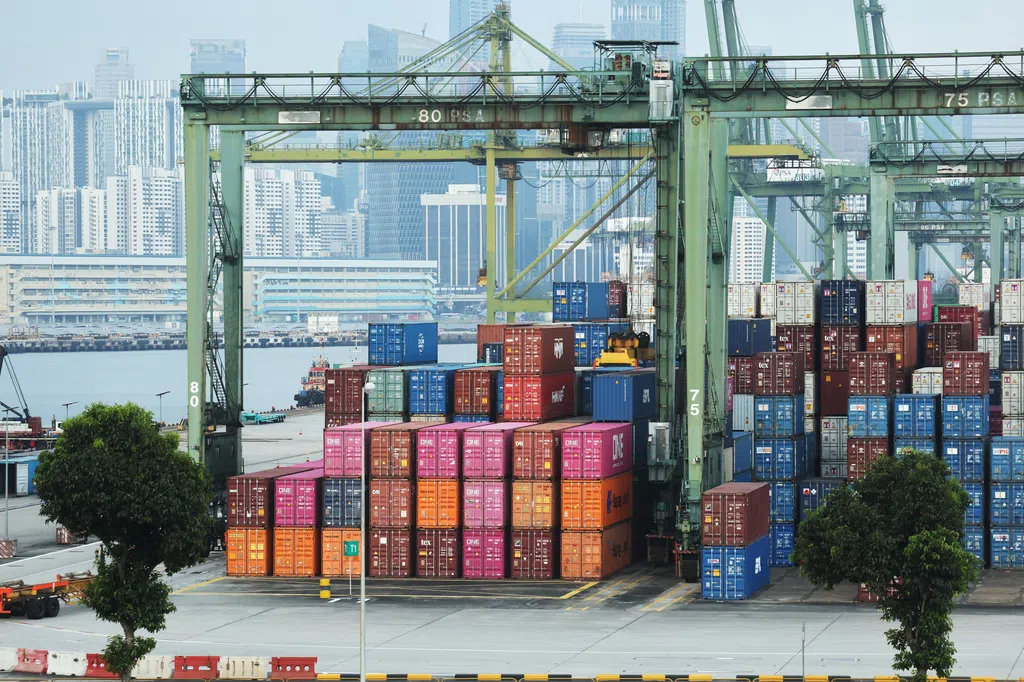
The IMF also noted that further regional trade integration, including the removal of trade barriers, would help Asian countries diversify their export markets, reduce costs, and partially offset tariff shocks.
"Deeper integration within Asia could itself provide a buffer against external shocks," said Srinivasan, Director of the IMF's Asia and Pacific Department.
He noted that Asia is highly integrated in trade in intermediate goods, with approximately 60% of its intermediate goods sold to countries within the region. In contrast, Asia's final goods are highly dependent on the European and American markets, with only 30% sold within Asia.
Asian countries are currently focused on bilateral trade agreements, which the IMF believes will lead to overlapping trade rules and inconsistent standards within the region. The IMF recommends that Asia emulate the European Union and strive for broader trade agreements.
The IMF also called on Asia to eliminate non-tariff barriers erected during the COVID-19 pandemic. Srinivasan noted that some Asian countries have already proactively reduced non-tariff barriers during trade negotiations with the United States, a "very positive" trend. He predicts that if Asia promotes regional trade integration, its economic output could grow by 1.4% in the medium term, while ASEAN economies could see growth of up to 4%.
The IMF noted that to enhance medium-term growth potential and rebalance regional economies, Asia should undertake structural reforms, reduce capital misallocation, and mitigate the impact of an aging population. Furthermore, the current investment boom driven by artificial intelligence is expected to provide a stronger-than-expected boost to Asia's exports, investment, and productivity.